

We've walked through a lot of Brownsburg master baths. The ones that look the worst on the surface often have the most hidden damage — moisture behind walls that were never properly waterproofed, subfloor deterioration that's been quietly developing since the original surround was installed. The finish work is the easy part. What's behind the walls is what determines how the project actually goes.
What we cover:
Layout reconfiguration · Tile shower · Freestanding or built-in tub · Double vanity · Flooring · Lighting · Electrical · Plumbing · Full finish work
Most projects begin with a walkthrough to assess existing plumbing locations, subfloor condition, ceiling height, and what the space can realistically become. A trusted bathroom renovation company in Brownsburg manages the full scope — structural changes, plumbing, electrical, tile, and finish work — sequenced and coordinated under one roof to keep the project consistent from start to finish.
What a Master Bathroom Remodel in Brownsburg Actually Includes
A master bathroom remodel is not a new vanity and fresh tile over the existing shower walls. A properly executed renovation starts with what's behind the surfaces — waterproofing, subfloor condition, plumbing configuration, and electrical capacity — before any finish material is selected or installed.
Here's what a master bathroom remodel should never skip in Brownsburg:
- Never skip waterproofing behind tile in the shower and wet areas — failed waterproofing is the most expensive repair in any Brownsburg master bathroom
- Do not move plumbing unless the layout genuinely requires it — relocating drains means opening the subfloor and adds significant cost and inspection time
- Do not finalize tile and fixture selections after demo begins — back-ordered materials stall a project in a room the household depends on
- Never close walls before rough-in inspections are passed through Hendricks County
- Avoid over-sizing a freestanding tub for the actual floor space — proportion errors in a master bath are expensive to correct after installation
- Do not skip ventilation upgrades — Indiana humidity accelerates mold growth in under-ventilated master bathrooms faster than most homeowners expect
Many Brownsburg master bathrooms from the 1990s and early 2000s were built with builder-grade fiberglass surrounds, single vanities, and minimal lighting. By the time a homeowner is ready to remodel, the subfloor and framing behind the original surround often show moisture damage that must be addressed before any finish work begins. We assess that during the walkthrough so the project scope reflects what the bathroom actually needs — not what would be easier to skip.
A complete master bathroom remodel typically includes:
- Full demolition of existing tile, surround, vanity, and flooring
- Subfloor inspection and replacement of any water-damaged sections
- Waterproofing membrane installation in all wet areas — walls and floor
- Cement backer throughout the shower enclosure
- Tile shower installation — walls, floor, and any accent or niche work
- Freestanding tub or built-in soaker if included in the design
- Double vanity installation with stone countertop
- Plumbing — new fixtures, supply lines, drain connections
- Electrical — GFCI outlets, vanity lighting circuit, heated floor wiring if applicable
- Exhaust fan sized correctly for the actual room square footage
- Frameless glass enclosure or shower door
- Flooring — large-format porcelain or heated tile system
- Lighting — vanity bar, overhead, and any accent lighting
- Final inspection through Hendricks County for all permitted work
How Brownsburg Homeowners Decide What Their Master Bathroom Actually Needs
The decision between a cosmetic refresh and a full gut renovation comes down to what's actually happening behind the surfaces — not just how dated the finishes look. A master bath that looks bad but has sound waterproofing and solid subfloor is a different project than one where the grout has been failing for years and the floor flexes near the toilet.
Our approach:
We assess the structural condition before discussing finish options. A homeowner who invests in a cosmetic refresh over compromised waterproofing is solving the wrong problem — the remodel will need to be redone within a few years when the damage catches up to the surfaces.
In Brownsburg neighborhoods like Arbor Hills and Stone Gate, master bathrooms vary significantly by home age and original builder. Homes from the mid-1990s typically need full gut renovations to address waterproofing and subfloor issues that have been developing for decades. Homes from the mid-2000s may support a high-impact cosmetic remodel if the structural condition is sound. The only way to know which category your bathroom is in is to look behind the walls.
Signs the bathroom needs a full gut renovation, not a cosmetic refresh:
- Grout cracking, staining, or recurring mold in the same spots — waterproofing failure underneath
- Soft or bouncy floor near the toilet or tub — subfloor damage from slow water intrusion
- Recaulking the tub or shower surround more than once in five years — the surround is failing, not just the caulk
- Visible efflorescence or mineral deposits on grout lines — water is moving through the tile assembly
- Musty smell in the bathroom even after cleaning — moisture is trapped behind surfaces
Signs a targeted cosmetic remodel may be sufficient:
- Grout is intact and dry — no soft spots, no recurring mold
- Subfloor feels solid throughout the room
- Plumbing is in the right location for the layout you want
- The main frustration is dated appearance, not function or condition
What to Lock In Before Your Master Bathroom Remodel Begins in Brownsburg
The master bathroom is a high-profile room with a complex supply chain — tile, custom glass, specialty vanities, and plumbing fixtures all have their own lead times. A project that starts before all of those are ordered and tracked is a project that will stall somewhere in the middle.
The rule we follow on every master bath project:
Nothing comes out of a room until everything needed to finish it has been ordered. The most expensive bathroom in the house is not the place to improvise on materials.
Custom frameless glass enclosures require a site measurement after tile is complete and cured, then typically run two to four weeks for fabrication. Custom or semi-custom vanities can run four to six weeks from order to delivery. Both timelines need to be built into the project schedule from day one — not figured out after demo has already started.
What to have locked in before demo day:
- Tile selected and confirmed in-stock, or ordered with lead time tracked
- Vanity style and size confirmed — custom and semi-custom vanities have lead times that rival cabinets
- Stone countertop for the vanity selected — fabrication begins after the vanity is installed and templated
- Plumbing fixtures confirmed — faucets, showerhead, and any body spray or handheld units
- Glass enclosure style decided — frameless, semi-frameless, or a shower door configuration
- Tub type decided if included — freestanding tub placement affects plumbing rough-in location
- Exhaust fan specification confirmed — sized for the actual room square footage, not the builder-grade unit being replaced
- Heated floor decision made — wiring goes in during rough-in, before any tile is laid
- Permit requirements confirmed — plumbing, electrical, and structural changes all require permits through the Town of Brownsburg or Hendricks County Building Department
The heated floor decision is the one most often delayed until it's too late. The wiring installs during rough-in — before cement backer and tile. Adding it after the floor is tiled means tearing up finished work. Decide before demo begins.
What Happens During a Master Bathroom Remodel in Brownsburg
Most Brownsburg master bathroom remodels run two to four weeks for a standard scope. Projects involving layout changes, plumbing relocation, or subfloor replacement add time and require multiple inspections through Hendricks County before walls and floors can close. Custom vanity lead times and glass fabrication schedules are the two variables most likely to extend the overall project timeline.
Homeowners in neighborhoods like Wynstone and Eagle Creek who will be using a secondary bathroom during the project need a clear picture of the full timeline — including the glass gap — before demo is scheduled.
Here's what a typical master bath remodel looks like week by week:
| Phase | What's Happening |
|---|---|
| Days 1–2 | Full demolition — tile, surround, vanity, flooring; subfloor exposed and inspected |
| Days 3–4 | Subfloor repairs; plumbing rough-in; electrical rough-in including heated floor wiring; niche framing |
| Day 5 | Rough-in inspections through Hendricks County; cement backer installation |
| Day 6 | Waterproofing membrane applied — full cure time required |
| Days 7–10 | Tile installation — shower walls, floor tile, and any accent work |
| Days 11–12 | Grout application and cure; plumbing fixtures connected; vanity installation |
| Days 13–15 | Countertop templating; lighting and exhaust fan installation; electrical finish work |
| Days 16–18 | Countertop installation; mirrors and accessories; punch list and final inspection |
| 2–4 weeks later | Glass enclosure measured, fabricated, and installed |
On the glass gap:
The shower is fully functional before the glass arrives — water can run, fixtures work. It just doesn't have an enclosure yet. We use a temporary curtain solution during that window so the bathroom is usable while glass is being fabricated. It's not ideal, but it's significantly better than an open shower with no containment.
What Adds the Most Value to a Master Bathroom Remodel in Brownsburg
In the Brownsburg resale market, buyers prioritize the master bathroom more than any other room except the kitchen. It photographs prominently in listing photos, it gets significant time during showings, and its condition directly influences offer prices in Hendricks County move-up homes.
The three upgrades that return the strongest value consistently:
- Double vanity with stone countertop — A single vanity in a master bathroom is one of the most commonly noted shortcomings in buyer feedback for Brownsburg homes. Adding a double vanity removes that objection entirely and signals that the bathroom was remodeled thoughtfully rather than minimally.
- Large-format tile walk-in shower with frameless glass — This combination photographs better than any other master bath feature and is the first thing buyers notice in person. Large tile with tight grout lines reads as current. Frameless glass reads as quality. Together they define the bathroom's first impression.
- Updated lighting — Master bathroom lighting is consistently underinvested in Brownsburg remodels and consistently noticed in listing photos. A properly specified vanity bar with good color rendering, combined with overhead lighting that eliminates shadows, makes the room feel larger and more finished in photos and in person.
The over-improvement warning:
Finish quality should align with your neighborhood's price point. A master bath finished to luxury hotel standards in a mid-range Brownsburg subdivision is a personal choice — but it's unlikely to return the full investment at sale. We help you find the line between what your family enjoys and what the Hendricks County market will reward during the planning process.
Other upgrades that consistently perform well in the Brownsburg market:
- Heated floor systems — particularly appealing to buyers in Indiana who have experienced cold tile floors through a full winter
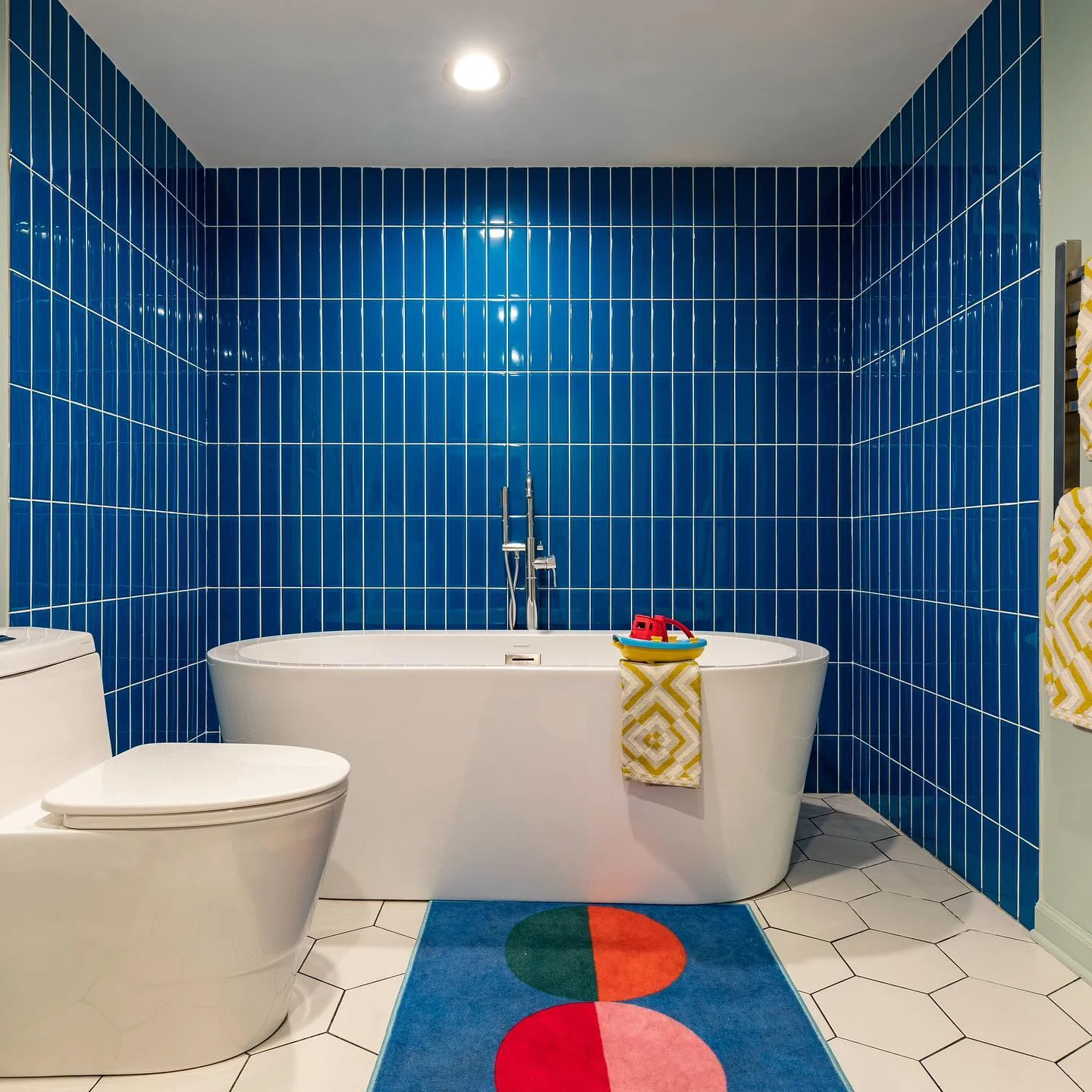
- Freestanding tub as a focal point in larger master baths — strong visual impact in listing photos when the room proportions support it
- Frameless shower niche instead of a corner caddy — reads as intentional, built-in design that buyers notice
The Most Common Master Bathroom Remodel Mistakes — and How to Avoid Them
These patterns show up repeatedly in Brownsburg master bathrooms — in projects done by others that we're asked to correct, and in the conversations we have with homeowners before work begins.
The most common master bathroom mistake in Brownsburg:
Under-sizing the exhaust fan for the actual square footage of the room. Builder-grade fans in most Hendricks County master baths are rated for much smaller spaces than the rooms they serve. Indiana's humid summers push moisture into under-ventilated master bathrooms year after year — accelerating grout failure, paint peeling, and mold growth behind walls long before the tile shows any visible damage. We size the exhaust fan to the actual room during the planning process, not to the box the original builder installed.
Other mistakes worth knowing before you start:
- Rushing waterproofing and tile cure times — Every phase of a shower installation has a cure time that cannot be shortened. Waterproofing needs to cure before cement backer goes up. Tile adhesive needs to set before grout is applied. Grout needs to cure before the shower gets wet. Contractors who rush these timelines create failures that show up months or years later — after they've moved on to the next project.
- Choosing a freestanding tub that's too large for the floor plan — A freestanding tub requires clear floor space on all sides, adequate ceiling height for the filler fixture, and a drain location that can be reached without major subfloor work. Getting the proportions wrong is an expensive correction. We confirm all three variables before a tub is selected.
- Finalizing tile and glass after demo begins — The master bathroom is out of service from demo day forward. Any back-ordered tile or delayed glass fabrication extends that window directly. Lock in all selections before demo is scheduled — not the week after demo day when the urgency becomes obvious.
- Skipping heated floor rough-in — The heating element installs before tile goes down. Adding it later means tearing up the floor. It's the most common "I wish we'd done that" item in master bath projects, and it's completely avoidable with a decision made before rough-in begins.
- Skipping permits on plumbing and electrical — Unpermitted work in a master bathroom surfaces during home inspections and must be disclosed at resale. It can also affect homeowner's insurance coverage in the event of a water loss. We pull every permit the project requires before work begins.