
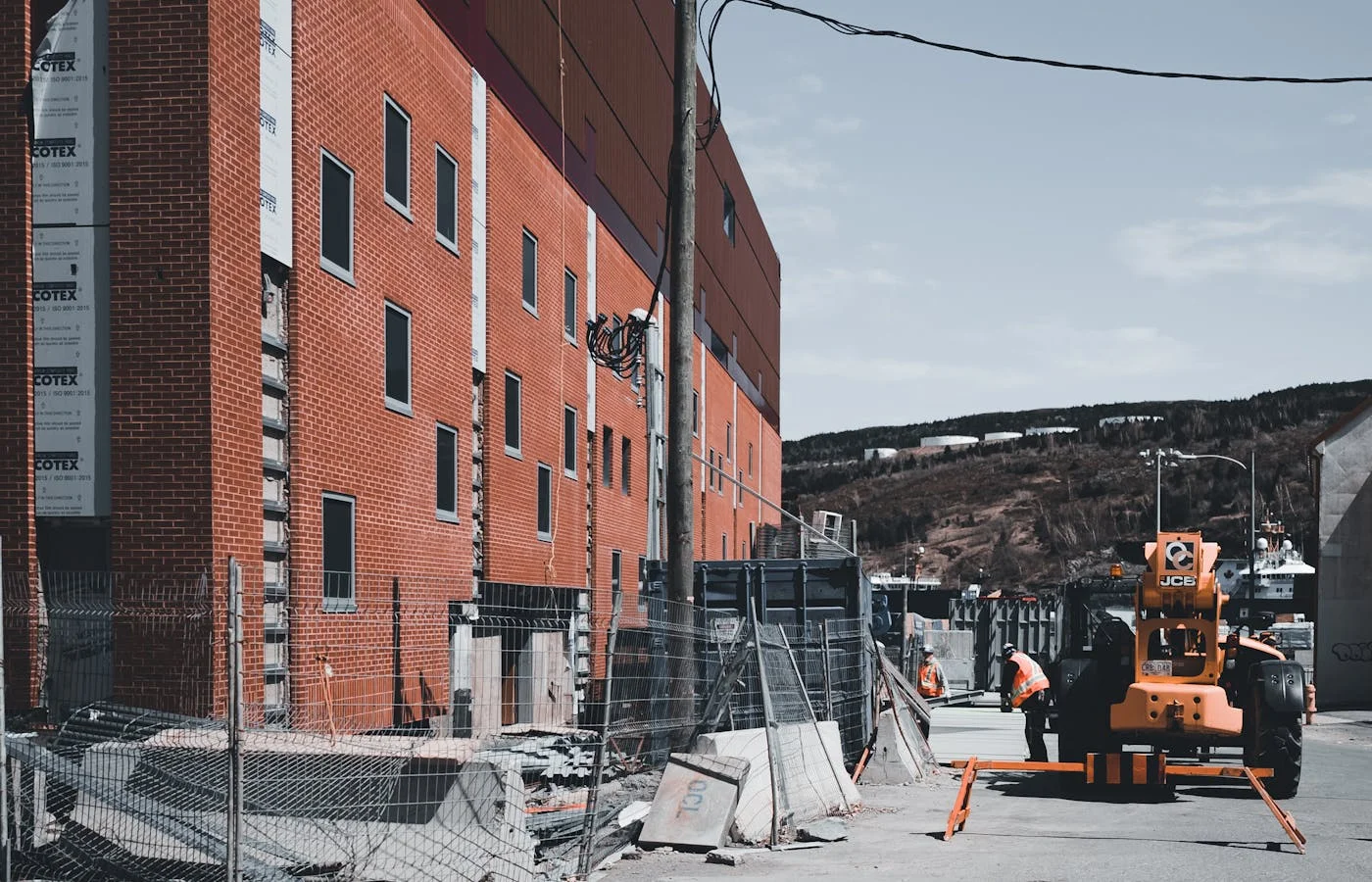
What Commercial Construction Covers for Business Owners
Commercial construction covers building, expanding, or renovating a space used for business. In Brownsburg, that means offices, retail stores, warehouses, restaurants, and medical offices. A licensed contractor handles the design, the permits, and every phase of the build.
The three most common project types here:
- New commercial builds on empty lots
- Tenant fit-outs — finishing a raw shell space so a business can open
- Structural renovations to existing commercial buildings
Here's the simple rule: if the finished space is for a business and not a home, it falls under commercial building code. That changes the permit process, the inspections, the materials, and who can legally do the work.
Along US-136 and Ronald Reagan Parkway, Brownsburg has seen a steady stream of new retail, office, and light industrial projects. Knowing what commercial construction covers before you call a contractor saves everyone time.
Commercial construction in Brownsburg includes:
- New commercial builds — site work, foundation, framing, mechanical systems, and finish for a brand-new business space
- Tenant fit-outs — turning an empty shell into a finished, working business
- Structural additions — making an existing building bigger
- Interior remodels — moving walls, changing layouts, or upgrading systems inside an existing building
- Restaurant construction — kitchen ventilation, grease traps, commercial plumbing, and health department requirements
- Medical and dental offices — ADA compliance, specialized plumbing, and electrical for medical equipment
How Commercial Construction Works From Planning to Completion
Commercial construction in Brownsburg follows a set order. A construction company in Brownsburg IN uses that sequence to plan permitting, site preparation, structural work, mechanical rough-ins, interior buildout, and final inspections. Understanding that order before calling a contractor helps set a realistic timeline and prevents avoidable scheduling or scope issues.
Hendricks County permits and Town of Brownsburg zoning approvals come early. You confirm zoning first. Then design. Then permits. Then construction starts. You can't skip steps or flip the order without creating problems that cost more to fix than they would have to prevent.
Here's how a commercial project works from start to finish:
- Site consultation — we review your goals, the space, and a realistic timeline before any drawings are made
- Zoning check — we confirm your intended use is allowed at your specific Brownsburg address
- Design and engineering — drawings are prepared to meet Indiana's commercial building code
- Permit application — submitted to the Town of Brownsburg or Hendricks County with full drawings and a site plan
- Permit review — commercial reviews take four to eight weeks; plan for this before you sign a lease
- Site prep — utility locates, demolition if needed, foundation or slab work
- Framing and mechanical rough-in — walls, electrical, plumbing, HVAC, and fire suppression
- Inspections at each phase — framing, mechanical, insulation, and final all require separate sign-offs
- Interior finish and build-out work specific to your business
- Final inspection and certificate of occupancy before you can open
A word on timing:
A lot of Brownsburg business owners sign a lease with an opening date in mind before they know how long the permit process takes. That's where projects stall. We talk through realistic permit timelines before you commit to any lease date or opening target.
Most Common Commercial Construction Projects in Brownsburg
Brownsburg's commercial growth reflects who lives here — families that need retail, workers that need services, and businesses that need space to operate. Here's what we see most often around town.
Retail build-outs — Strip centers along US-136 and Ronald Reagan Parkway are active. Most new tenants start with an empty shell and build out to their specific needs. Every one of those jobs has to meet commercial fire, electrical, and occupancy code.
Professional office build-outs — Open offices, private suites, conference rooms, and break rooms in Brownsburg's growing office parks. Electrical capacity, data wiring, and HVAC zoning are the most common items.
Light industrial and warehouse construction — Pike Township and the I-74 corridor are busy with warehouse and light industrial builds. These jobs need clear-span framing, loading docks, heavy electrical service, and floors built for equipment.
Restaurant and food service construction — One of the most involved project types anywhere. Health department requirements, commercial kitchen ventilation, grease trap systems, and specific mechanical setups make restaurant construction its own category.
Medical and dental office build-outs — ADA-compliant layouts, medical gas systems, specialized plumbing for dental chairs, privacy walls between exam rooms, and electrical for diagnostic equipment. More scope than a standard office.
Structural remodels of existing buildings — Older buildings along Downtown Brownsburg sometimes need structural updates, ADA restroom conversions, new HVAC, or fire suppression systems when the use of the space changes.
What a Commercial Construction Contractor Actually Does on Your Project
If you've done a home renovation before, you have a general idea of how construction works. Commercial jobs are different — not in the trades themselves, but in the scope of what the contractor manages.
Here's what we handle so you don't have to:
- Permits — commercial permits need more documentation, more review cycles, and more follow-up than home permits. We know what Hendricks County needs and we get it right the first time.
- Subcontractor coordination — licensed electricians, plumbers, HVAC techs, and specialty contractors all have to work in the right order. We sequence and manage all of it.
- Code compliance — fire ratings, ADA access, occupancy loads, and mechanical systems all have to be right in the design before they're right in the building. That's our job.
- Inspection scheduling — commercial jobs have more inspection types than residential. We schedule each one at the right point and make sure the work is ready before the inspector shows up.
- Single contact — you have one person to call. Not four.
Brownsburg commercial projects require coordination with Hendricks County inspectors, local utility companies, and sometimes the fire marshal or health department. We manage all of that. You run your business.
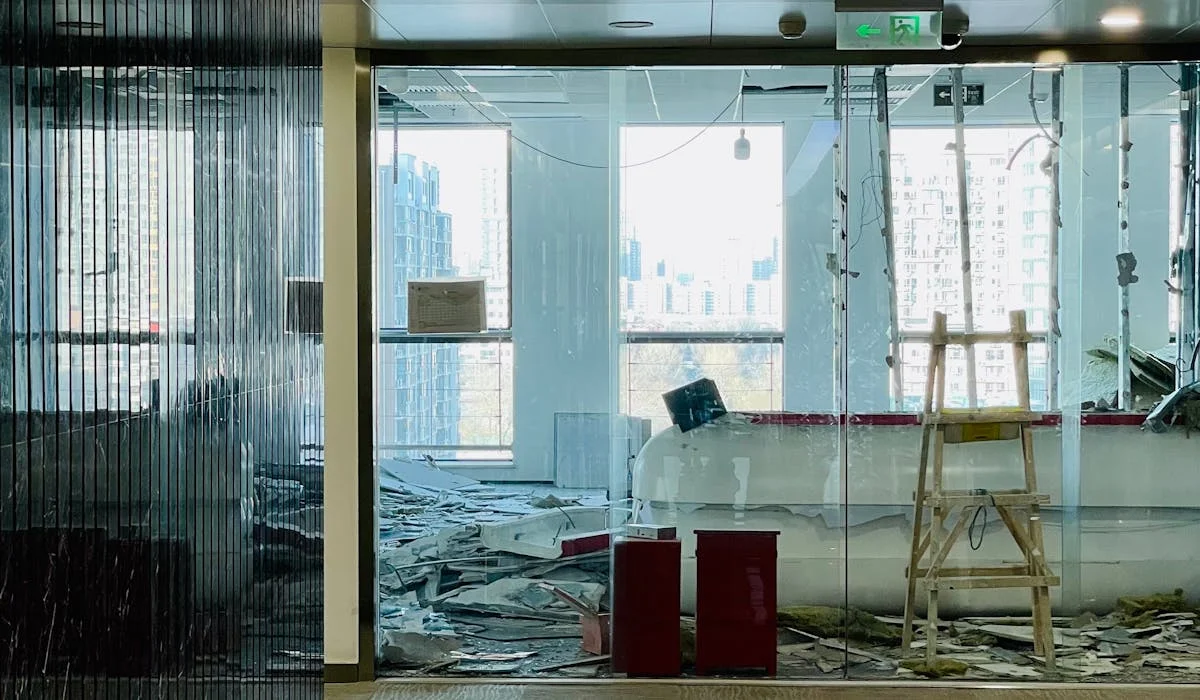
Key Differences Between Commercial and Residential Construction
If you've only done home projects before, commercial construction will feel different in a few important ways.
The building code is different. Home construction in Indiana uses the Indiana Residential Code. Commercial construction uses the International Building Code (IBC). The IBC has stricter rules for structural loads, fire ratings, exits, accessibility, and mechanical systems. Being licensed for home work doesn't mean you're qualified for commercial work.
ADA compliance is required. Any commercial space open to the public must meet Americans with Disabilities Act standards — accessible doors, restrooms, parking, and pathways. This is designed in from day one. It's not an add-on at the end.
Fire ratings and sprinklers matter. Commercial buildings have specific fire-rating requirements for walls, ceilings, and doors based on how big the building is and how it's used. Sprinkler systems are often required above certain size thresholds. Neither of these applies to most home construction.
Occupancy classification shapes everything. The IBC puts buildings into categories — Assembly, Business, Retail, Industrial, and others. Each category has its own rules for structure, exits, and mechanical systems. That classification is set early and shapes the entire project.
More inspections, more coordination. Commercial projects have more inspection types and more agencies involved than home projects. An experienced GC manages that process. Without one, the business owner ends up doing it themselves — without the license or infrastructure to do it well.
How to Prepare Your Business Property for a Construction Project
What you do before day one determines whether the project starts smoothly or spends the first week solving problems that should have been caught in planning.
The step most Brownsburg business owners skip:
Checking zoning before design begins. A space that was used as an office may not automatically be approved for food service, retail, or medical use. Confirming zoning before any drawings are made prevents a costly redesign after engineering is already underway.
What to have ready before construction begins:
- Zoning confirmed — your intended use is permitted at your specific Brownsburg address
- Lease reviewed — construction scope agreed with the landlord, including tenant improvement allowance and any landlord approvals required
- Business park or HOA approval — many Brownsburg commercial properties have their own rules for exterior changes, signage, and construction hours
- Indiana 811 utility locate done — required by law before any digging; underground lines are dense in developed Brownsburg commercial areas
- Site access planned — delivery routes, equipment staging, and work hours confirmed before the first crew arrives
- Business continuity plan for occupied remodels — a phasing plan keeps part of your business running while work happens