
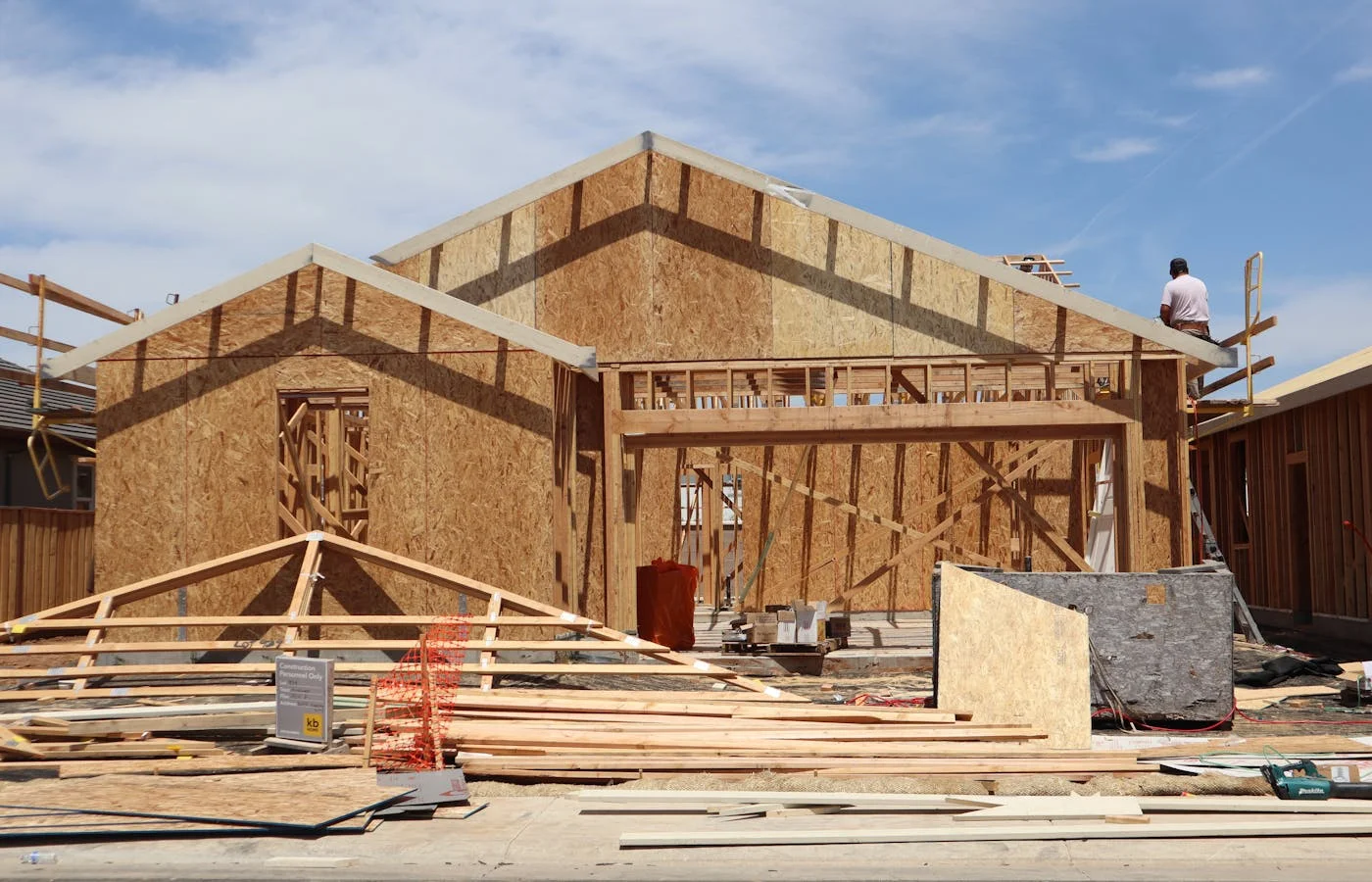
What Residential Construction Includes for Homeowners
Residential construction covers a wider range of work than most homeowners initially expect. It is not just new builds. It includes any project that changes the structure of an existing home — additions that expand the footprint, structural remodels that remove or add load-bearing walls, full gut renovations that replace every system while keeping the foundation, and ground-up construction on vacant lots.
The distinction that matters for planning and permitting: residential construction involves structural work, mechanical systems, or foundation changes that require engineered drawings and building permits. A Brownsburg construction company handles those scope items, while cosmetic updates like paint, flooring, and fixture swaps fall under remodeling. Anything that alters the structure of the home moves into construction and requires proper permitting and oversight.
Many Brownsburg homes built in the 1990s and early 2000s are reaching the age where structural updates are common — not because of neglect, but because a 25-year-old home in Indiana has been through a quarter-century of freeze-thaw cycles, humidity swings, and the normal settling that shifts every wood-frame structure over time. When those homes are also functionally outdated — layouts that don't reflect how families live today, mechanical systems past their service life — residential construction is the scope that addresses all of it at once.
Residential construction in Brownsburg typically covers:
- Ground-up new construction on a vacant lot — full foundation, framing, mechanical, and finish from scratch
- Room additions — new square footage attached to the existing home, requiring foundation, framing, roofline tie-in, and mechanical extension
- Structural remodels — load-bearing wall removal, beam installation, or major floor plan changes within the existing footprint
- Full gut renovations — complete interior replacement while retaining the existing foundation and framing
- Garage conversions — changing the use of an existing structure from storage to conditioned living space
- Accessory dwelling unit (ADU) construction — separate living quarters on the same property
How the Residential Construction Process Works Step by Step
Here is how residential construction works in Brownsburg from first meeting to final inspection:
- Meet with a remodeler to review your goals and the site — scope, constraints, and realistic timeline established before any plans are drawn
- Get engineered plans drawn and permits pulled with the Town of Brownsburg or Hendricks County Building Department before any ground is broken
- Site preparation begins — grading, demolition if applicable, utility locate, and foundation work
- Framing, mechanical rough-ins for electrical, plumbing, and HVAC
- Insulation, drywall, and interior finishes installed after all rough-in inspections are passed
- Final inspections completed through Hendricks County and punch list closed out before occupancy
Hendricks County permit timelines and inspection schedules shape how fast projects move in Brownsburg. The permit review window — typically two to six weeks depending on project complexity and current department workload — needs to be built into the project schedule from the start, not treated as a contingency after the contract is signed. Projects that start without approved permits create stop-work order risk that costs more time than the permit process would have required.
The most important thing to understand about the sequence:
Each inspection must be passed before the next phase proceeds. Framing must be inspected before mechanical rough-in. Mechanical rough-in must be inspected before insulation. Insulation must be inspected before drywall. The sequence protects the homeowner — each inspection is a documented record that what's behind the walls was installed correctly before it was covered.
Types of Residential Construction Projects Most Homeowners Choose
Brownsburg homeowners comparing options typically land in one of four categories — and the right choice depends on what the project needs to accomplish, what the existing site or structure can support, and what the budget needs to return in appraised value.
Room additions are the most common residential construction project in established Brownsburg neighborhoods. Lincoln Park and Arbuckle Meadows see frequent addition projects because lot sizes and home ages in those areas create the right conditions — enough yard to build out, homes that are worth expanding, and families who want to stay in the neighborhood rather than move. An addition adds permanent square footage that appraises and sells as part of the home.
Structural remodels are the right choice when the footprint is adequate but the floor plan isn't. Removing a load-bearing wall between a kitchen and living area, reconfiguring a primary suite, or opening a split-level to a more connected layout are all structural remodel projects — they require engineering and permits but don't change the home's square footage.
Full gut renovations are appropriate when the existing structure has sound bones but everything inside needs to be replaced — systems past their service life, finishes that are decades past their prime, a layout that never worked and can't be fixed with targeted changes. A gut renovation is more disruptive than a targeted remodel but produces a finished home where every system is new.
Ground-up new construction makes sense when no existing structure is worth retaining or when building on a vacant lot. It's the longest timeline and the most complex permit process, but it delivers complete control over every design decision from foundation to finish.
What Affects Your Build Scope and Project Timeline in Brownsburg
Two variables affect residential construction timelines in Brownsburg more than any others: Indiana's seasonal weather and the permit review process. Both are manageable when planned for. Both create significant delays when ignored.
On Indiana winters: Exterior construction — foundation work, framing, and roofing — needs to be sequenced to avoid Indiana's coldest months wherever possible. A project that breaks ground in October has a window to complete foundation and framing before December. A project that misses that window faces a spring start that adds three to four months to the overall schedule.
Spring and summer are peak build seasons in Brownsburg. Remodelers book up quickly in February and March as homeowners plan for spring starts. Homeowners who want a specific start date — particularly for projects that need to be complete before a school year or family event — need to be in contract and through the permit process before that window opens.
Other variables that affect timeline:
- Soil conditions — clay-heavy soil common in Hendricks County may require additional foundation engineering that adds time and scope to the pre-construction phase
- HOA architectural review — newer Brownsburg subdivisions typically require HOA approval before permits can be applied for; that review has its own timeline
- Material lead times — structural components, windows, doors, and mechanical equipment all have lead times that need to be ordered ahead of when they're needed on site
- Inspection scheduling — each inspection requires advance scheduling through Hendricks County; a missed inspection window can push a phase by several days or more
- Scope changes mid-project — changes after construction begins are the most common source of schedule overruns; decisions made before demo begins cost significantly less than decisions made after
How to Prepare Your Property Before Construction Begins
The preparation that happens before day one determines whether the project starts cleanly or spends the first week resolving issues that should have been addressed during planning.
The single most important pre-construction step:
Indiana 811 utility locate request submitted before any excavation begins. Gas, electric, water, cable, and fiber lines run through yards in most Brownsburg subdivisions. Digging without a locate is illegal and creates genuine safety risk regardless of how routine the project appears. We submit the locate request before any equipment is brought to the site.
What to have in place before construction begins:
- HOA architectural review submitted and approved — common in newer Brownsburg subdivisions and required before permit application in many cases
- Recorded plot plan or survey confirming setbacks and buildable area — particularly important for additions and new builds where the structure needs to stay within confirmed property limits
- Site access confirmed — adequate driveway clearance for delivery trucks and equipment, and a plan for where materials will be staged during construction
- Utility access for temporary construction power if required by the project scope
- Neighboring property notification if construction activity will affect shared access or sight lines
- Personal items and landscaping cleared from the work zone before the first trade arrives
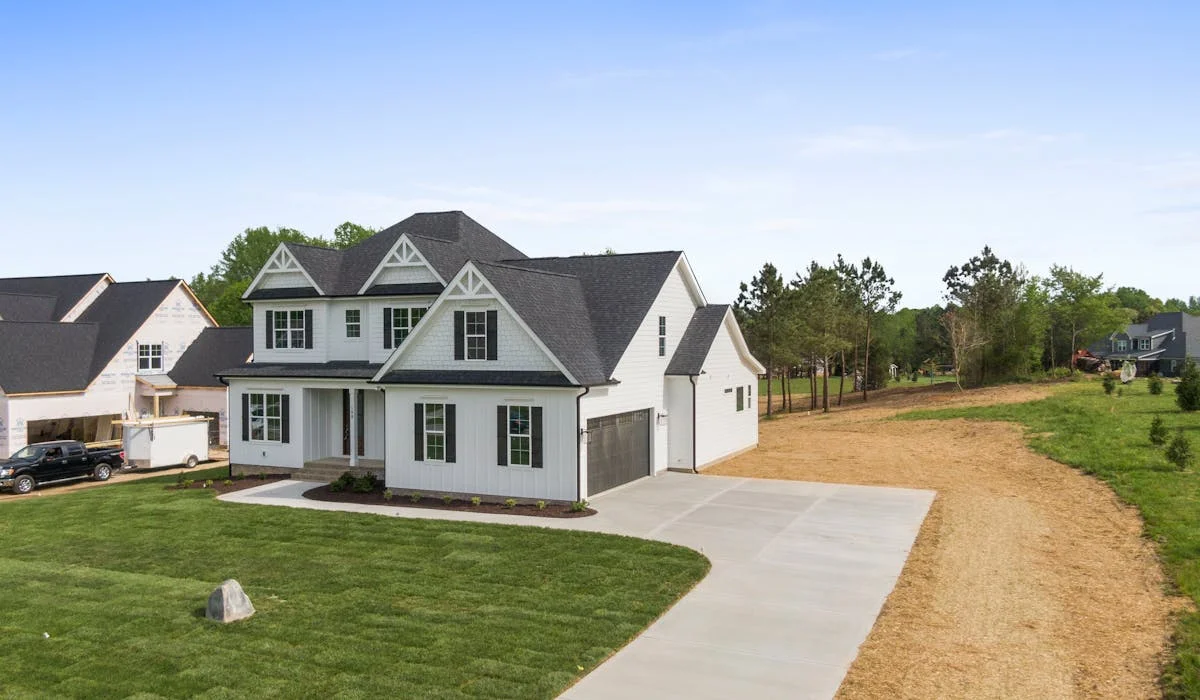
How to Know Your Residential Construction Project Is Done Right
The quality checks that matter most in residential construction happen at the inspection points — not at the final walkthrough. Each passed inspection is a documented record that what's behind the walls and beneath the floors was installed to code before it was covered up. The final walkthrough confirms finish quality. The inspection record confirms structural and mechanical integrity.
What to look for at the final walkthrough:
All rough-in inspections have sign-off cards on file. The final inspection through Hendricks County is passed and documented. A certificate of occupancy is issued before the structure is occupied as a residence. These are not formalities — they are the legal and insurance basis for the home's occupancy and value.
Brownsburg building inspectors conduct the code sign-off at each required phase. A licensed remodeler schedules each inspection at the correct point in the construction sequence, ensures the work is ready before calling for inspection, and addresses any correction items before proceeding to the next phase. An inspection that fails and has to be reinspected costs time. An inspection that was never scheduled costs significantly more when the unpermitted work surfaces at resale.
The final project quality checklist:
- All permits are closed — no open permit cards on the property at completion
- Final inspection passed and certificate of occupancy in hand
- All mechanical systems operational — HVAC, electrical, and plumbing tested and functional
- Exterior finish continuous and weathertight — no gaps in siding, trim, or roofing
- Interior finish complete — flooring transitions flush, trim tight, paint consistent
- Punch list items addressed and documented before final payment