
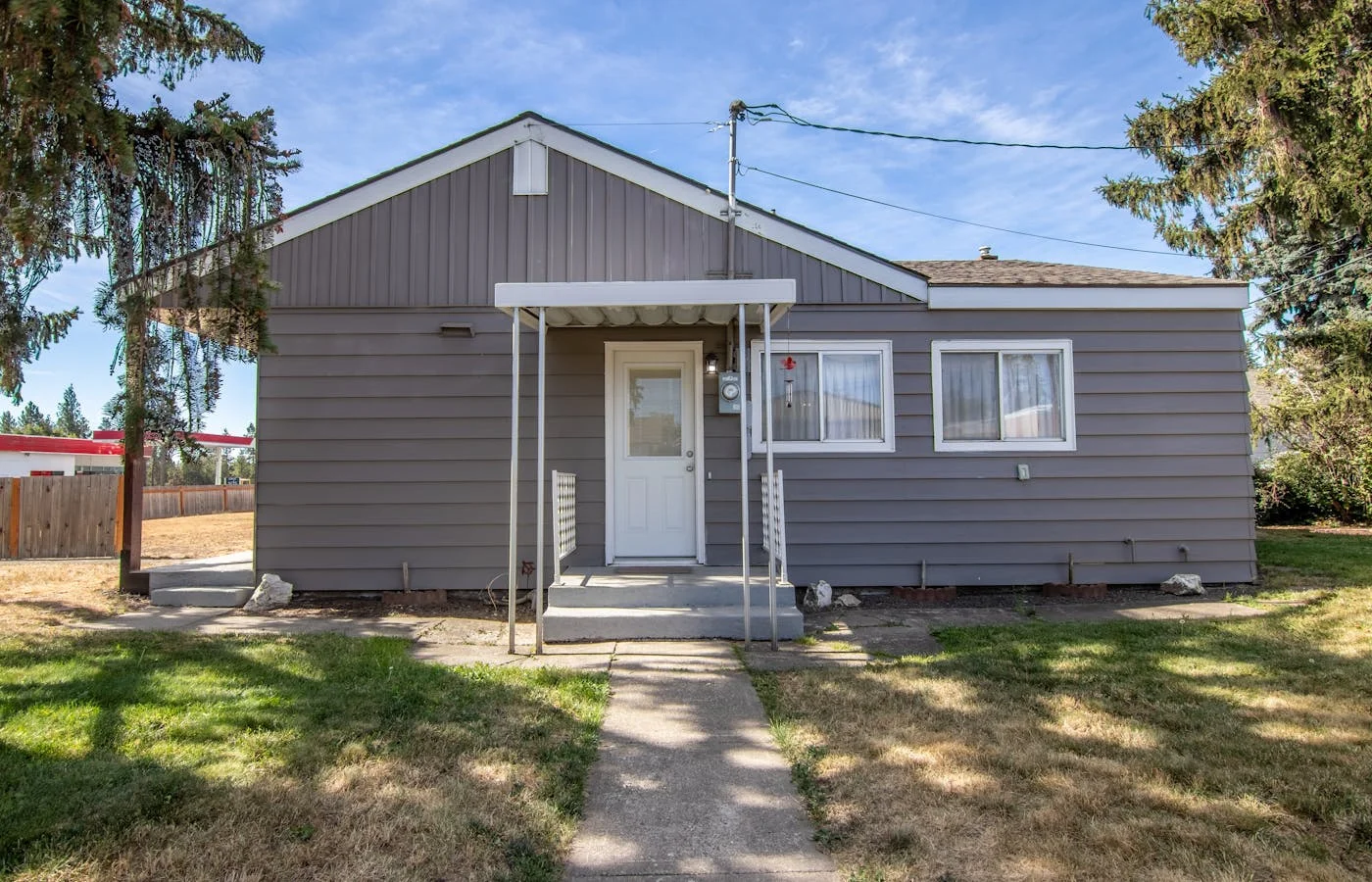
In Brownsburg, homeowners are building ADUs for a few different reasons. Some need a place for an aging parent that is close but not inside the main house. Some want rental income from a unit on a lot they already own. Some want private guest space that does not mean putting someone on a pullout couch in the living room.
What most of them have in common is that they started the conversation by asking whether they could build one on their specific lot. That question has to be answered first — before design, before budget, before any contractor is involved. We have worked with homeowners who had architectural drawings done before anyone checked the zoning. Discovering the lot does not qualify for the unit type they designed for is an expensive way to learn that zoning research comes first.
Common ADU types built in Brownsburg:
- Detached backyard cottages or guest houses on qualifying lots
- Garage conversions with added living space, kitchen, and bath
- Basement apartments with a separate exterior entrance
What ADU Construction Is and What Types Are Allowed in Brownsburg
An ADU is a legal, self-contained housing unit that exists on the same lot as a primary home. It has its own entry, its own kitchen, and its own bathroom. It is not a finished basement with a wet bar. It is not a bonus room with a bathroom attached. It is a separate living space that meets Indiana residential code for habitability.
There are four types of ADUs. Each has different zoning requirements, setback rules, and utility considerations:
Detached cottage or guest house — a freestanding structure in the backyard or on the side of the lot. Maximum privacy for the occupant. Requires its own foundation, full exterior walls, and either a separate utility connection or a documented shared utility agreement. Requires a Hendricks County building permit for new construction.
Garage conversion — an attached or detached garage converted to conditioned living space with a kitchen and bath added. Lower foundation cost than a detached build because the slab and walls already exist. Requires plumbing rough-in, electrical upgrade, HVAC addition, and a permit through Hendricks County.
Basement apartment — living space created in an existing basement with a separate exterior entry added. Minimal exterior impact on the existing structure. Requires egress compliance for any bedrooms, plumbing rough-in if a kitchen is being added, electrical work, and Hendricks County permits.
Attached in-law suite — a new addition or converted space within the home's footprint that functions as a separate unit with its own entry. Shares the primary structure but has independent living space. Requires a home addition permit if new square footage is being added.
Brownsburg town limits and Brown Township fall under different zoning jurisdictions. Custom home design and building in Hendricks County requires confirming which authority governs the specific lot, since what is permitted inside Brownsburg town limits may differ from properties in unincorporated areas just outside town. That determination is made before any design work begins.
How ADU Construction Works in Brownsburg From Zoning Check to Move-In
The most important thing to know about ADU construction in Brownsburg is that the process starts with a zoning check — not a design conversation.
Here is the full sequence from the first question to the day someone moves in:
- Zoning eligibility check — confirm your lot's zoning district, whether the intended unit type is permitted, lot size minimums, setback requirements, and maximum ADU square footage relative to the primary home
- HOA review — if the property is in an HOA, confirm whether ADUs are permitted under the CC&Rs and what the architectural review process requires
- Design and engineering — floor plan developed for the specific unit type; utility connection plan confirmed for separate or shared service
- Permit application — submitted to the Town of Brownsburg or Hendricks County Building Department with full drawings, site plan, and utility documentation; ADU permits often require additional documentation compared to standard residential permits
- Site preparation — for detached units: utility locate, excavation, and foundation; for conversions: demo and inspection of existing structure before new work begins
- Framing, mechanical rough-in, and inspections — each trade inspected separately before walls close
- Insulation inspection
- Interior finishes — drywall, flooring, cabinets, kitchen, bath, and trim
- Final inspection and certificate of occupancy — the unit cannot be legally occupied until this is issued
Hendricks County ADU permits require either separate utility connections or documented shared utility agreements depending on unit type and location. A licensed Brownsburg remodeler knows what documentation is required at permit submission. Applications that arrive without it get rejected — which adds weeks to the timeline.
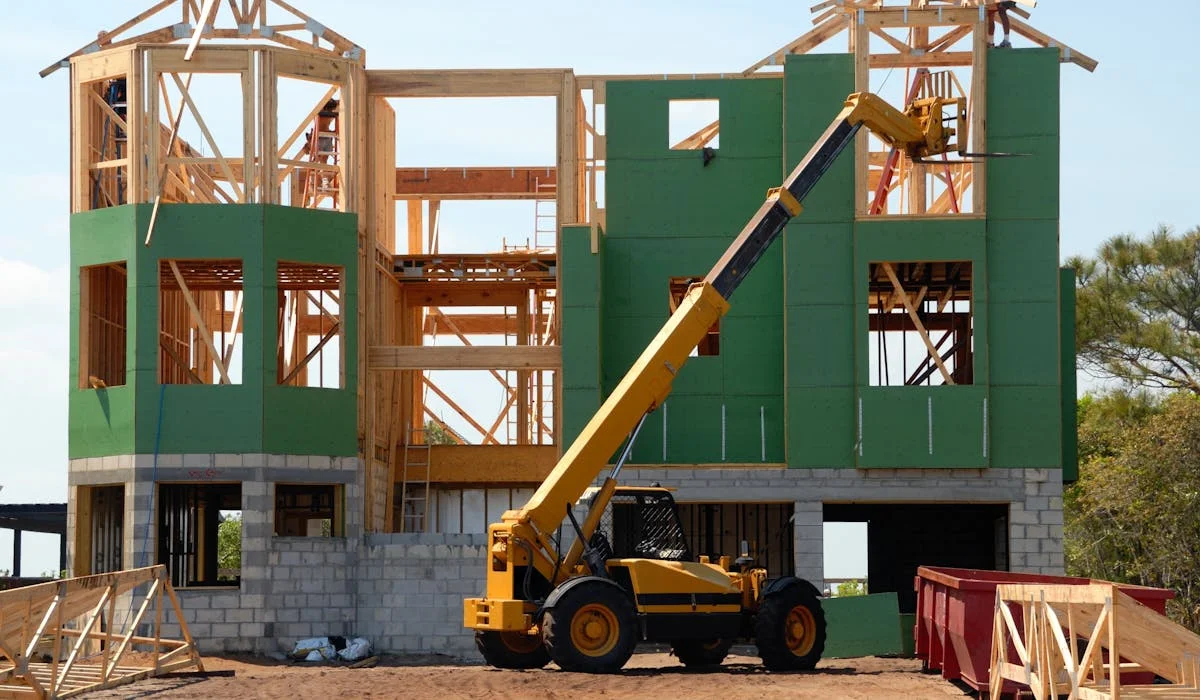
ADU Types Brownsburg Homeowners Are Building — and Which Fits Your Property
Most Brownsburg homeowners come into the ADU conversation with a goal, not a unit type. The goal — house Mom, generate rent, add guest space — should drive the type choice. Here is how to match them.
For housing an aging parent: Privacy matters, but so does access. A detached unit gives the most independence. An attached in-law suite allows the most connection. A basement apartment lands in between — separate space but physically connected to the main home. Most families with this goal who have a lot that allows it choose the attached suite or basement apartment for the combination of privacy and proximity.
For rental income: A detached unit on a lot that supports it generates the most rental revenue because it offers the most privacy and the most functional independence from the main home. On lots where detached units are not permitted — which is most Brownsburg subdivision lots in Arbor Grove and Williams Park — a well-designed basement apartment or garage conversion is the next best path.
For guest space: A garage conversion or basement apartment handles this well without the permitting complexity of a new detached structure. If the garage is attached and reasonably sized, the conversion path is straightforward — foundation and exterior walls are already there.
Type-by-type practical considerations:
- Detached cottage — most privacy, highest cost per square foot, requires a full foundation and exterior construction; not available on all Brownsburg lots due to HOA and setback limits
- Garage conversion — lower cost because existing structure is retained; limited by garage footprint size; requires plumbing, electrical, and HVAC addition
- Basement apartment — no new exterior structure; requires egress window for any bedroom; kitchen rough-in may require breaking the slab for drain work
- Attached in-law suite — most integrated with the main home; requires a home addition permit and new foundation if adding square footage
Common ADU Construction Mistakes That Delay or Derail Brownsburg Projects
The single most common and expensive ADU mistake in Brownsburg:
Starting design before confirming zoning eligibility. We have heard from homeowners who paid for architectural drawings on a detached backyard ADU, brought those drawings to us, and found out on the first call that their zoning district does not permit detached accessory structures. Those drawings cost money and time that a zoning check done first would have saved entirely.
Other mistakes that derail Brownsburg ADU projects:
- Underestimating utility connection requirements — A separate dwelling unit needs either its own utility service or a documented agreement with the utility provider for shared service. The permit application requires this documentation. Projects that reach permit submission without it get rejected.
- Not getting HOA approval before pulling permits — In Brownsburg HOA communities, the HOA approval often needs to come before the permit application is submitted. Some HOA review cycles are monthly. Missing one adds a month to the timeline before permit submission can happen.
- Choosing a unit size that triggers additional requirements — Some ADU size thresholds trigger additional code requirements — fire suppression, additional egress, or utility separation that smaller units do not require. Knowing the threshold for your jurisdiction before finalizing the unit size prevents a redesign.
- Hiring a contractor without local ADU permit experience — ADU permits in Hendricks County have specific documentation requirements that general residential permits do not. A contractor who has not pulled ADU permits in this jurisdiction before will have a longer learning curve on the submission process — and that learning curve adds time to your project.
What Affects ADU Size, Scope, and Buildability on Your Brownsburg Lot
The three questions that determine ADU eligibility in Brownsburg before anything else:
What is the zoning district? What are the setbacks? Does the HOA permit this unit type? If those three answers are favorable, the project can move into design. If any of them is unfavorable, design needs to wait until the constraint is resolved — or a different unit type is considered.
What shapes ADU buildability in Brownsburg:
- Lot size minimums — some zoning districts require a minimum lot size for ADU construction; lots below the threshold are not eligible
- Maximum ADU square footage — many jurisdictions cap ADU size as a percentage of the primary residence square footage or as an absolute maximum; the unit cannot exceed this regardless of how much lot area exists
- Setback distances — detached units must maintain minimum distances from all property lines; on smaller Brownsburg lots, the remaining buildable area after setbacks may be too small for a functional unit
- Impervious surface coverage limits — adding a detached structure adds impervious coverage; some lots are already near their maximum
- Existing utility capacity — the existing water, sewer, and electrical service to the primary home needs to have capacity to extend or support a second unit; undersized service requires utility upgrade work before ADU construction can begin
- HOA restrictions — many Brownsburg HOAs prohibit detached accessory structures entirely; some also restrict exterior modifications that would be visible from the street or neighbors
Indiana ADU regulations continue to evolve at the state level. Brownsburg's local zoning ordinance controls what is permitted within town limits. We monitor both and apply current requirements to every project — not rules from a year ago that may no longer reflect what is actually allowed.
How to Prepare to Build an ADU on Your Brownsburg Property
The most common preparation gap we see:
Homeowners who know they want an ADU but have not located their property survey or confirmed their lot dimensions. Zoning eligibility, setback calculations, and ADU size limits all depend on the actual recorded dimensions of the lot — not an approximation from memory or a real estate listing description.
What to have ready before the first builder meeting:
- Property survey or recorded lot dimensions — the actual legal dimensions of your lot; not the listing description, not a rough measurement; the recorded plat from the Hendricks County Recorder's office
- HOA CC&Rs — if the property is in an HOA, locate the CC&Rs and any architectural standards documents; bring them to the first meeting
- Existing utility locations — know where water, sewer, gas, and electrical service enter the property; for detached ADUs, these need to be assessed for extension capacity
- Intended use and target occupant — who will live in the ADU and how they will use it shapes every design decision; a unit for a retired parent has different requirements than a rental unit for an unrelated tenant
- Realistic timeline — ADU projects in Brownsburg run six months to a year from zoning confirmation to certificate of occupancy; if you need someone housed in three months, a new ADU is not the right path for that timeline
Indiana 811 utility locate is required before any excavation for a detached ADU foundation. Established Brownsburg yards in neighborhoods like Quail Creek and Country Brook frequently have buried irrigation systems, invisible pet fencing, and landscape lighting circuits that are not on any map. We submit the locate request before any excavation is scheduled.