
Brownsburg, IN
Is It Cheaper to Layer New Shingles Over Old on a Brownsburg Home?
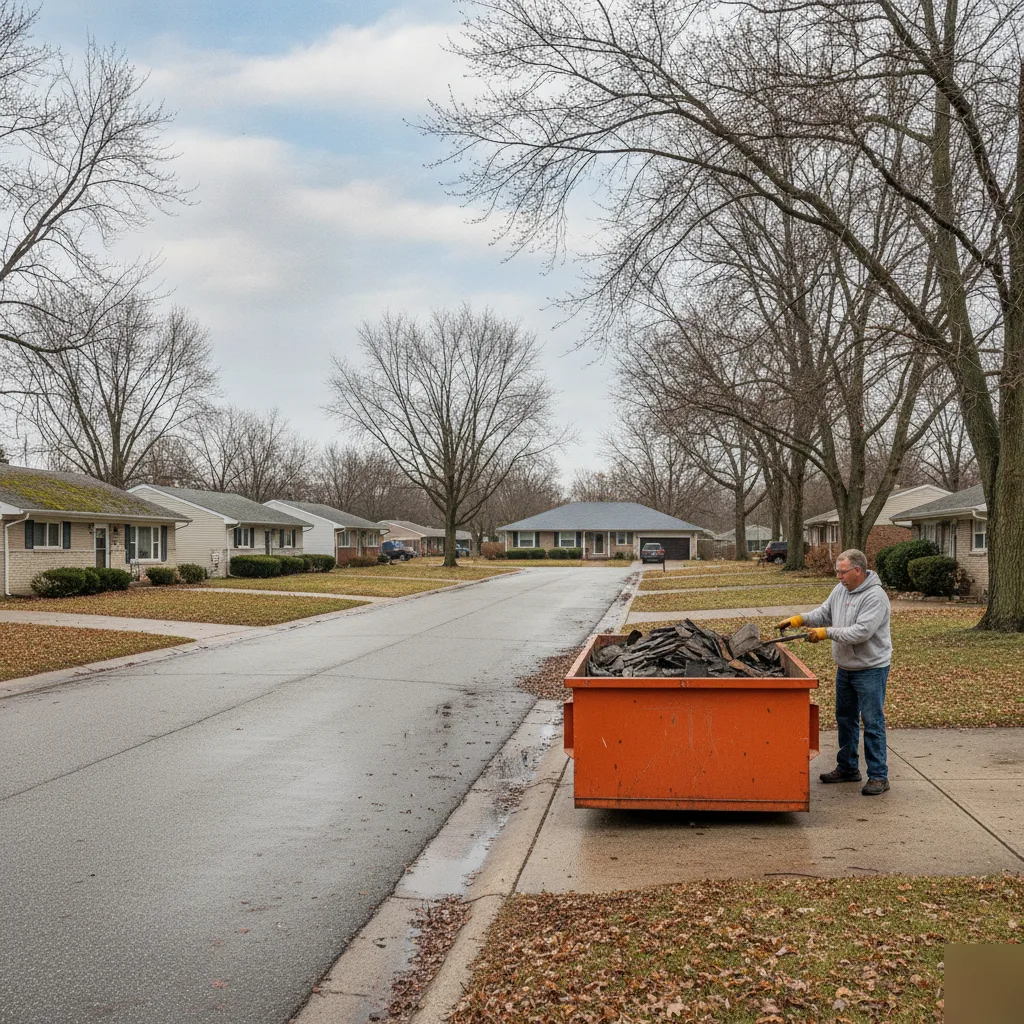
Roof Overlay vs. Tear-Off: What Each Option Really Means
A shingle overlay means putting new shingles right over the old ones. A tear-off strips everything down to the decking first. Layering costs less upfront, but it can hide problems and shorten the life of your new roof. Most Brownsburg homes built before the 2000s already have layers on them, which limits whether an overlay is even legal under code.
An overlay sounds simple enough. Crews lay a fresh layer of shingles directly on top of what's already there, no tear-off, no dumpster, less labor. That's why it costs less on paper. But nothing underneath actually gets fixed. Soft spots in the decking, hidden leaks, damaged flashing, all of it just gets covered up and forgotten.
A tear-off strips the roof down to bare wood. The crew pulls every old shingle, checks the decking for rot, and starts clean. That takes more time and more labor, so the price climbs. In exchange, you get an honest look at what's really going on with your roof, and any problems get fixed instead of buried.
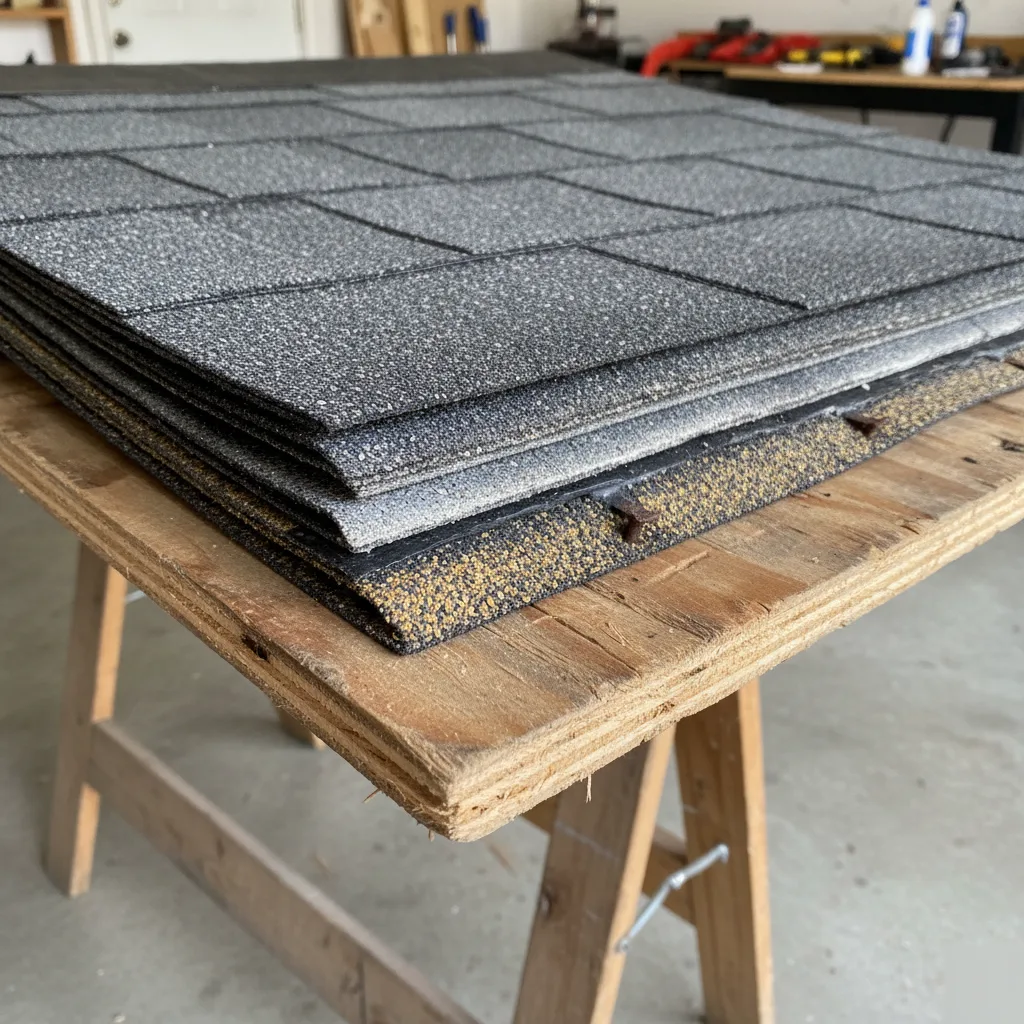
Here's something a lot of homeowners don't know. Most building codes, including the standards followed here in Hendricks County, allow only two layers of shingles on a roof at once. If your Brownsburg home already had an overlay done years ago, you're likely required to tear off before adding anything new. We check this on almost every estimate we run, and it catches people off guard almost every time.
Think of it like painting over rust on a car. It looks fine for a while. But the rust is still working underneath, and eventually it pushes back through.
- Overlay: faster install, lower upfront cost, no view of the decking underneath.
- Tear-off: full inspection of decking and structure, longer project timeline.
- Overlay adds weight to your roof, which matters on older Brownsburg trusses.
- Tear-off resets your roof's lifespan closer to what the shingle brand promises.
- Local code limits overlays to one existing layer in most cases.
So which one fits your house? That comes down to your roof's age, how many layers are already up there, and what shape the decking is in. A quick inspection answers all of that fast.
How Many Shingle Layers a Roof Can Have
Most homes in Brownsburg can carry two layers of shingles, tops. That's not a made-up rule. It comes straight from the International Residential Code, which Indiana follows with local amendments enforced through the county building department.
If your roof already has one layer, you might be allowed to add a second. But if it's already got two, code says it's time to tear off, no exceptions.
Here's the part a lot of homeowners don't realize until an inspector or a roofer points it out on their own roof.
- Two-layer maximum applies to most asphalt shingle roofs under Indiana's adopted residential code.
- Steep-slope roofs and older homes near Old Town Brownsburg sometimes already have a hidden second layer from a past owner.
- Local permit records don't always show prior reroofs, so a visual inspection is the only real way to know.
- Some townships require a permit even for a layover, not just for full tear-offs.
- HOA rules in newer Brownsburg subdivisions can restrict layering regardless of what code allows.
We run into this constantly on 1970s and 80s ranch homes off Green Street and around the older parts of town. A homeowner thinks they're on their first layer. Then the crew pulls up a corner and finds two layers already stacked, sometimes from a repair done decades ago that never made it into any paperwork.
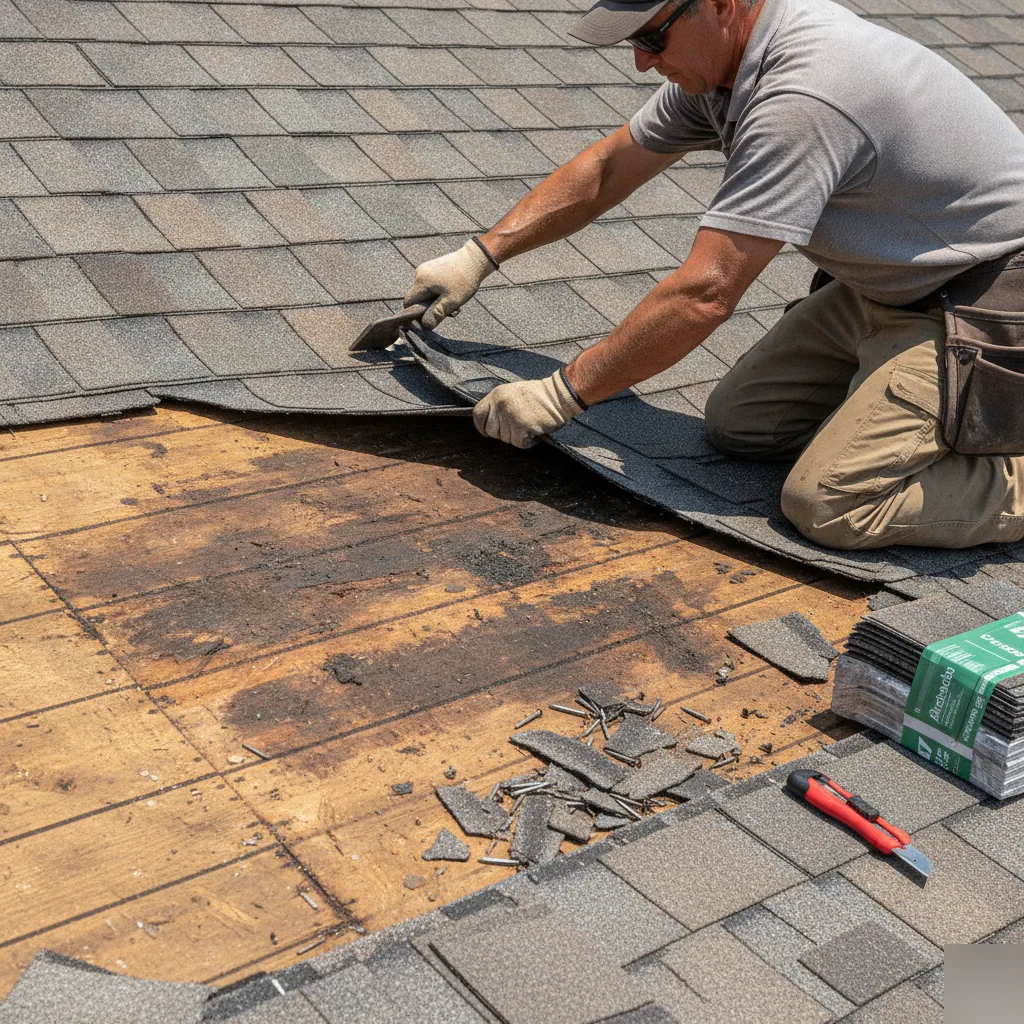
That discovery changes everything about the job.
And it's exactly why this question doesn't have one simple answer. The cheaper option only exists if your roof actually qualifies for it.
There's also a weight issue nobody talks about enough. Two layers of standard three-tab or architectural shingles can add several hundred pounds of extra load spread across your roof deck. Older homes built before 1990 often used thinner sheathing than what's standard today. Stack too much weight on that decking, and you're not just bending code, you're risking sag, especially after a heavy Indiana snow load sits on it for a few days.
Here's a real scenario the team ran into last year. A homeowner near Arbuckle Acres Park wanted a quick layover quote to save money before selling the house. Once the crew got up there, they found the roof already had two layers, plus soft spots in the decking from a slow leak nobody had caught. A layover would have covered up a real problem instead of fixing it. That home needed a full tear-off regardless of what code allowed.
That's the real risk with layering. It's not just about counting layers. It's about what's happening underneath that you can't see from the ground, or even from a ladder without pulling shingles back.
If you're not sure how many layers your Brownsburg roof already has, that's a question worth answering before you plan around a layover.
What's Hiding Under Old Shingles That Changes the Real Cost
Here's the part most homeowners never think about. Once new shingles go on top of the old roof, nobody can see the deck underneath anymore. And that's exactly the problem.
The team has pulled shingles off plenty of Brownsburg homes built in the 1980s and 1990s, and the deck underneath rarely looks like the homeowner expects. Sometimes it's fine. Sometimes it's soft, stained, or has soaked up years of slow leaks nobody noticed from inside the attic.
Layering skips that inspection step completely. You're covering a surface without ever confirming what's really going on underneath it.
- Soft or rotted decking from long-term moisture that never showed up as an indoor leak.
- Old flashing around chimneys and vents that's already failing and gets buried, not fixed.
- Trapped moisture between the two shingle layers that speeds up deck damage over time.
- Uneven roof surfaces from curled or cupped shingles that make the new layer wear faster.
- Ventilation problems in the attic that get worse once a second layer traps more heat.
So the real cost of layering isn't just the shingles you see. It's what you don't catch because nobody looked.
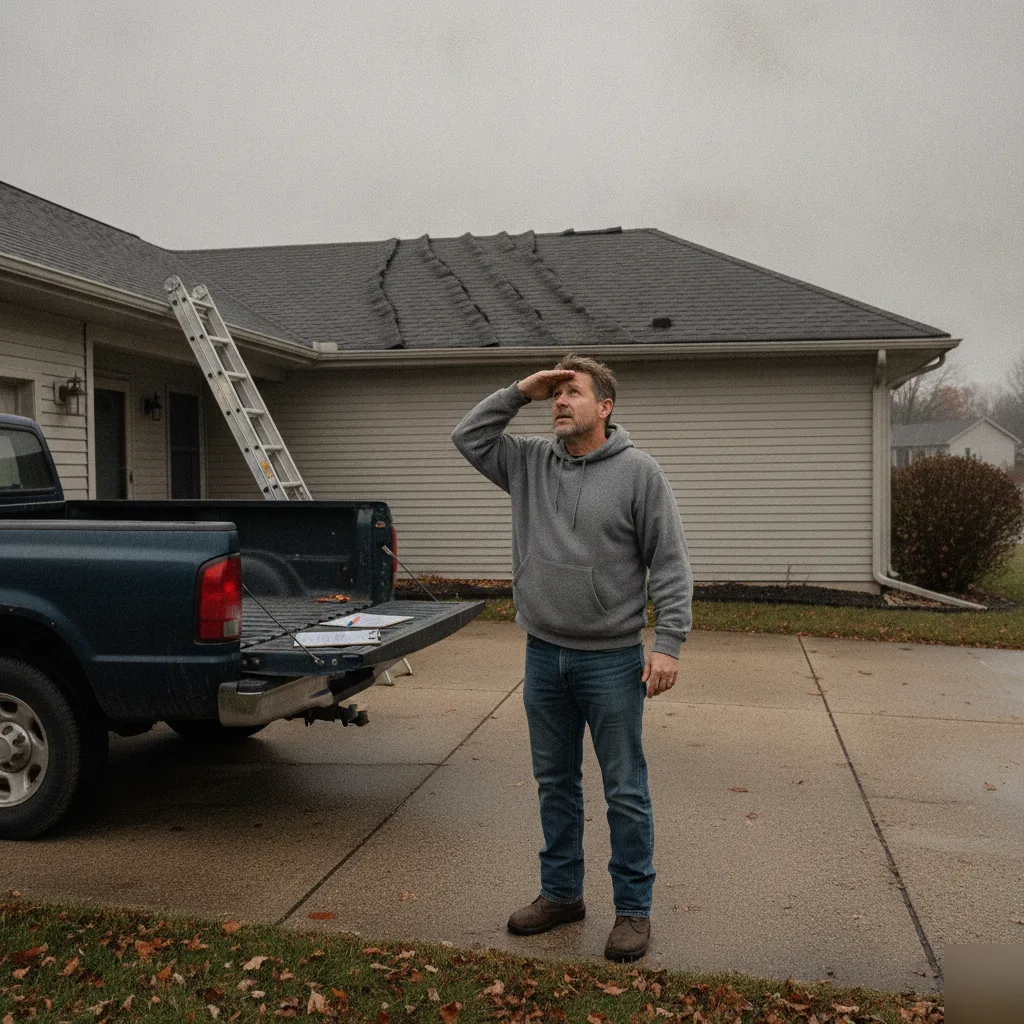
One thing worth knowing from years of doing this work: a roof that's had one layer added before often hides the worst damage right along the eaves and valleys, where water sits the longest. That's where a tear-off usually turns up problems layering would have buried for another decade.
Picture a typical Brownsburg two-story with a roof from the early 2000s. From the ground, it looks fine. Up close, though, the shingles are cupping at the edges, and the valley near the back slope has granule loss that's thinned the material down to almost nothing. Layer over that, and you're building a new roof on a foundation that's already failing in the spots that matter most.
This is why the upfront savings on layering can turn into a bigger bill down the road: a hidden deck repair, mold in the attic, or a second layer that has to come off anyway before a third roof goes on. None of that shows up in a quick estimate that skips a real inspection.
This is where an honest look at your roof, not a guess, tells you which way actually saves money for your home.
Frequently Asked Questions
How do I know if my roof already has two layers of shingles?
You often can't tell just by looking from the ground. Most Brownsburg homes built before 1990 have had at least one reroof, and permit records don't always show it. A roofer can check by pulling back a shingle edge near the ridge or eave to count layers. This step matters because code allows only two layers on most homes. If your roof already has two, a layover isn't an option and you'll need a full tear-off instead.
Can I put new shingles over old ones myself to save money?
You can technically do this, but it's risky without checking your roof's history first. Adding a layer without confirming what's underneath can hide rot, bad flashing, or an existing second layer that makes the job illegal under code. A professional inspection catches these issues before shingles ever go down. If you're weighing a shingle overlay vs. tear-off for your Brownsburg home, get an inspection first so you know which option your roof qualifies for.
Is it true that a shingle overlay always costs less in the long run?
No, this is a common misconception. Overlays cost less upfront, but they cover up problems like soft decking or failing flashing instead of fixing them. That damage keeps getting worse underneath, which often means a bigger repair bill later. A tear-off costs more now but resets your roof's full lifespan. The cheaper option only holds up if your decking and flashing are in good shape underneath the old shingles.
Does Brownsburg have specific rules about roof layering?
Yes, Hendricks County enforces Indiana's adopted residential code, which limits most homes to two shingle layers. Some townships also require a permit for a layover, not just for tear-offs. Newer subdivisions may have HOA rules that restrict layering even further, regardless of what code allows. These local rules are why a quick inspection matters before assuming your home qualifies for the cheaper overlay option.
How does older Brownsburg home construction affect the layering decision?
Many ranch homes from the 1970s and 80s, especially near older parts of town, used thinner roof decking than homes built today. Adding a second layer of shingles piles extra weight onto that older sheathing. Combined with heavy Indiana snow, this can stress the decking more than expected. Homes like these often benefit more from a tear-off, since it lets a crew check the sheathing's condition instead of guessing what's holding up the weight.
What's the biggest risk with covering up old shingles instead of removing them?
The biggest risk is trapped moisture and hidden damage you can't see once the new layer goes down. Old flashing, soft decking, and slow leaks all get buried instead of repaired. This can shorten your new roof's life even though it looked like a good deal at install. Checking what's really underneath your shingles before deciding between an overlay and a tear-off helps you avoid paying twice for the same roof.