
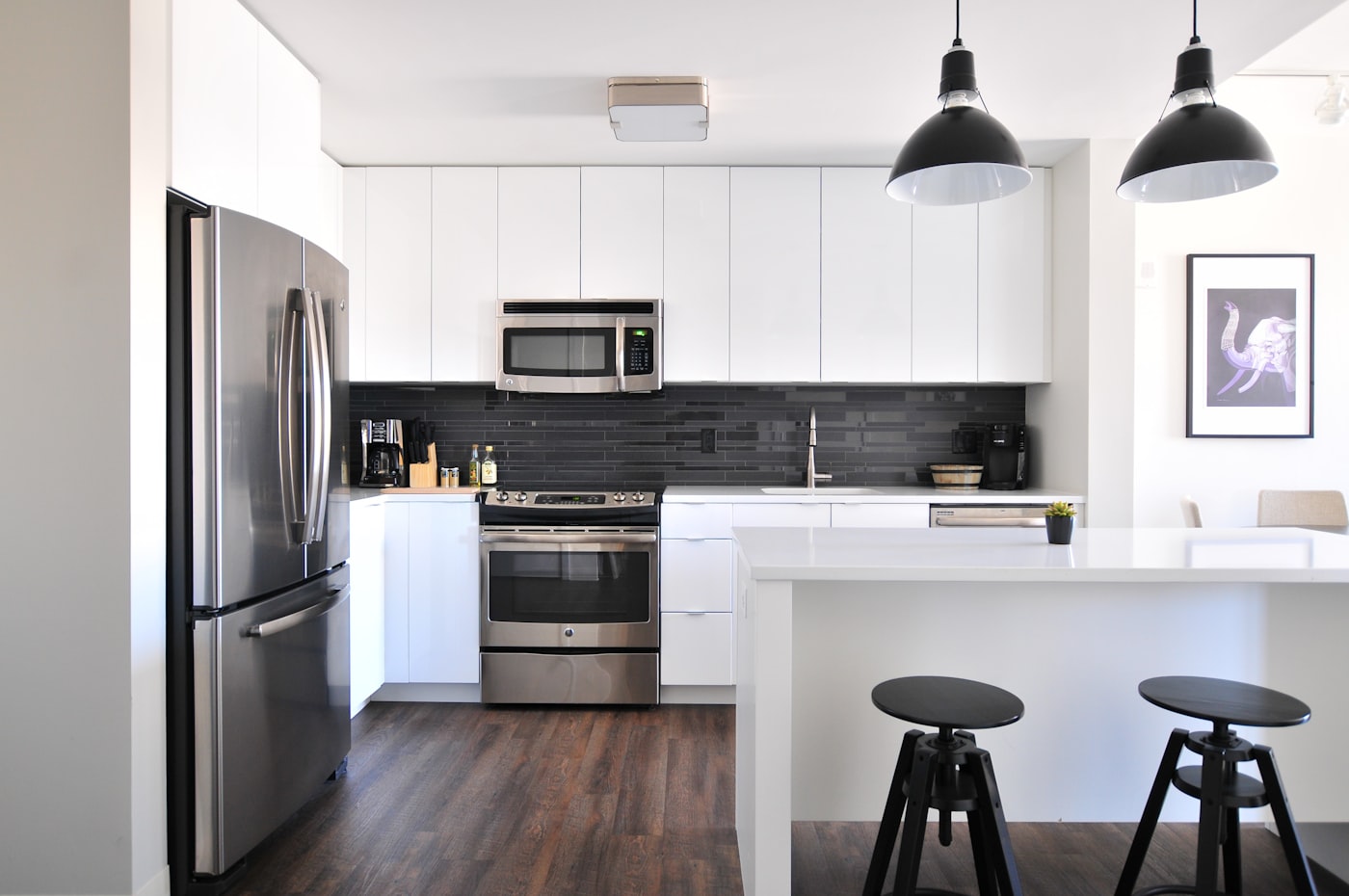
Done right, a kitchen island changes how a family uses the room every single day. Done wrong, it makes the kitchen harder to move through than it was before the renovation.
What we cover:
Design · Sizing · Structural attachment · Electrical · Plumbing · Cabinetry · Countertop finish
Most projects begin with a site measure to confirm clearances, traffic flow, and utility access before any design decisions are made. One remodeler handles the full installation — framing, cabinets, countertop, and any electrical or plumbing runs all managed together.
What a Kitchen Island Installation in Brownsburg Actually Includes
A properly built kitchen island is not a furniture piece pushed into the middle of the room. It's a fixed, structural installation — base cabinets bolted to the subfloor, a fabricated countertop templated to the exact dimensions, and any electrical or plumbing runs completed before a cabinet is set.
Here's how a kitchen island installation actually gets done in Brownsburg:
- Confirm clearances — a minimum of 42 inches on all sides is required for safe traffic flow around a fixed island
- Mark the floor and check subfloor condition — island base cabinets bolt directly to the subfloor and need solid material underneath
- Run any electrical or plumbing rough-in before cabinets are set — outlets, pendant light circuits, and prep sink lines go in first
- Set and secure base cabinets to the subfloor — shimming ensures level installation on imperfect floors
- Template and fabricate the countertop after cabinets are installed and confirmed level
- Install countertop, finish electrical connections, and complete trim and toe kick details
Many Brownsburg homes built in the 1990s and early 2000s were never designed with an island in mind. Subfloor condition, ceiling height for pendant lights, and circuit capacity all need to be assessed before installation begins. We check every one of those things before a design conversation starts — not after cabinets are ordered.
A complete kitchen island installation typically includes:
- Site measure and clearance confirmation
- Subfloor assessment and any repairs needed before cabinets are set
- Electrical rough-in for outlets, USB ports, or pendant light circuits
- Optional plumbing rough-in for a prep sink
- Base cabinet installation secured to subfloor
- Countertop templating, fabrication, and installation
- Seating overhang confirmation based on stool height and style
- Toe kick, trim, and finish details
How Brownsburg Homeowners Decide What Size and Style Island Is Right for Their Kitchen
The size question is where most island projects go sideways. Homeowners see a large island in a magazine photo and want to recreate it — without accounting for the fact that the photo was taken in a 400-square-foot open kitchen, not a standard Brownsburg split-level.
Our starting point on every island project:
Clearances first. Aesthetics second. Every time.
The minimum clearance rule is 42 inches on all sides of a fixed island for a single-cook kitchen. If multiple people regularly use the kitchen at the same time — which is most households with kids — 48 inches is a better target. Going below 42 inches is a code and safety issue that affects daily use and comes up at resale.
In Brownsburg neighborhoods like Arbor Hills and Stone Gate, open-concept kitchens connected to dining and living areas are common. As a trusted kitchen remodeling company in Brownsburg, island design is planned around full traffic flow across the connected space — not just the kitchen footprint. An island that fits the kitchen alone but blocks movement between rooms quickly becomes a daily functional issue.
The most useful questions to ask before sizing:
- What is the actual clear floor space available after the 42-inch rule is applied on all sides?
- How many people regularly cook in this kitchen at the same time?
- Is seating at the island a priority — and if so, how many stools?
- Is a prep sink on the island realistic given the plumbing location?
- What will the island be used for most — prep work, seating, storage, or all three?
Honest advice:
A smaller island that fits the space correctly is always better than a larger one that compromises traffic flow. We'd rather size down and have a kitchen that works than size up and create a bottleneck that wasn't there before.
What to Sort Out Before Kitchen Island Installation Begins in Brownsburg
A few decisions made before work starts protect the entire project from delays and rework. The most common source of mid-project problems on island installations is not the construction itself — it's utility decisions that weren't made before cabinets were ordered.
The key rule:
Electrical and plumbing rough-in happens before cabinets are set. If those decisions aren't made upfront, you're opening finished work after the fact — and that costs significantly more than getting it right the first time.
What to have settled before installation begins:
- Whether the island will include electrical outlets — if yes, permits are required through the Town of Brownsburg or Hendricks County Building Department
- Whether a prep sink is part of the plan — plumbing rough-in needs to be located and run before cabinets go in
- Whether pendant lights will be centered over the island — the ceiling circuit needs to be in place before countertop templating
- Countertop material selection — fabrication lead times run two to four weeks; ordering late delays everything downstream
- Seating overhang dimension — standard bar height versus counter height stools require different overhang depths
Any island installation in Brownsburg that includes electrical outlets, lighting circuits, or plumbing requires permits. A remodeler who skips that step creates inspection and resale problems that fall on the homeowner — not the contractor who's already moved on.

What Happens During a Kitchen Island Installation in Brownsburg
Most Brownsburg kitchen island installations run three to five days for a standard build. Projects that include electrical rough-in, a prep sink, or custom cabinetry add time and require inspections through Hendricks County before countertop templating can begin.
Families in neighborhoods like Wynstone and Eagle Creek who depend on the kitchen daily get a clear day-by-day schedule before work starts. Here's what the sequence looks like on a typical project:
| Day | Work completed |
|---|---|
| Day 1 | Subfloor inspection and any repairs, floor layout marked, electrical and plumbing rough-in completed |
| Day 2 | Rough-in inspections, base cabinets set and secured to subfloor, shimmed level |
| Day 3 | Countertop templating once cabinets are confirmed level and secured |
| Days 4–5 (after fabrication) | Countertop installation, electrical finish connections, pendant light installation, toe kick and trim |
The gap in the middle:
Fabrication takes two to four weeks after templating. That's not construction time — that's the shop cutting and finishing the slab. We schedule that lead time into the project from day one so it doesn't come as a surprise when the kitchen sits waiting for stone.
The kitchen remains largely functional during most of this process. The most disruptive phase is rough-in day — after that, the work is contained to the island footprint.
Does a Kitchen Island Add Value to a Brownsburg Home?
The short answer is yes — when it's properly sized, permitted, and finished. The longer answer is that an island done wrong can actually hurt a sale by signaling to buyers that the kitchen wasn't thought through.
In the Brownsburg resale market, buyers touring homes in Hendricks County have come to expect kitchen islands in updated homes. A well-proportioned island with a quality countertop and seating overhang reads as a finished, move-in ready kitchen. An undersized island, a freestanding furniture substitute, or an island with no countertop fabrication reads as incomplete — and buyers price that into their offers.
Our position:
A properly built, permitted island adds appraised square footage value and buyer appeal. An island that wasn't permitted, doesn't clear code minimums, or was built without a fabricated countertop adds neither — and may flag during a home inspection.
What buyers in the Brownsburg market respond to:
- Islands sized correctly for the kitchen — not stuffed into a space that's too small
- Quality countertop material that matches or complements the perimeter countertops
- Seating overhang that accommodates actual stools — not just a decorative ledge
- Electrical outlets on the island face — buyers notice the absence of these immediately
- Finished toe kick and trim details that make the island look built-in, not dropped in
The Most Common Kitchen Island Mistakes — and How to Avoid Them
We're direct about these because they're avoidable — every one of them. The pattern we see in Brownsburg is almost always the same: someone prioritized how the island would look before confirming it would actually work in the space.
The most common mistake in Brownsburg:
Building too large for the actual kitchen footprint. A remodeler who skips the clearance check and sizes the island to fill the space creates a traffic bottleneck that makes the kitchen harder to use than it was before the renovation. We measure clearances before anything else — no exceptions.
Other mistakes worth knowing before you start:
- Installing without checking subfloor condition — Base cabinets bolt to the subfloor. A soft spot, a low area, or delaminated material underneath means the island will rock, shift, or separate over time. Subfloor assessment happens before cabinets are ordered, not after they arrive.
- Skipping electrical rough-in and adding outlets later — Retrofitting electrical into a finished island means opening cabinets, patching drywall, and running conduit through finished work. It costs significantly more than doing it right before the cabinets go in.
- Ordering the countertop before cabinets are level and confirmed — A template taken off unlevel cabinets produces an unlevel countertop. Level the cabinets, confirm them, then template. In that order, every time.
- Sizing the overhang by feel instead of measurement — A standard counter-height seating overhang needs 12 inches minimum. Bar height needs more. Getting this wrong means stools that don't fit under the island or knees hitting the cabinet face constantly.
- Skipping permits on electrical or plumbing work — Unpermitted electrical in a kitchen island shows up on inspection reports and gives buyers a legitimate reason to negotiate. Pull the permits. Close the inspections. It's not optional.