
Brownsburg, IN
What Is the Best Time of Year to Replace a Roof in Brownsburg?
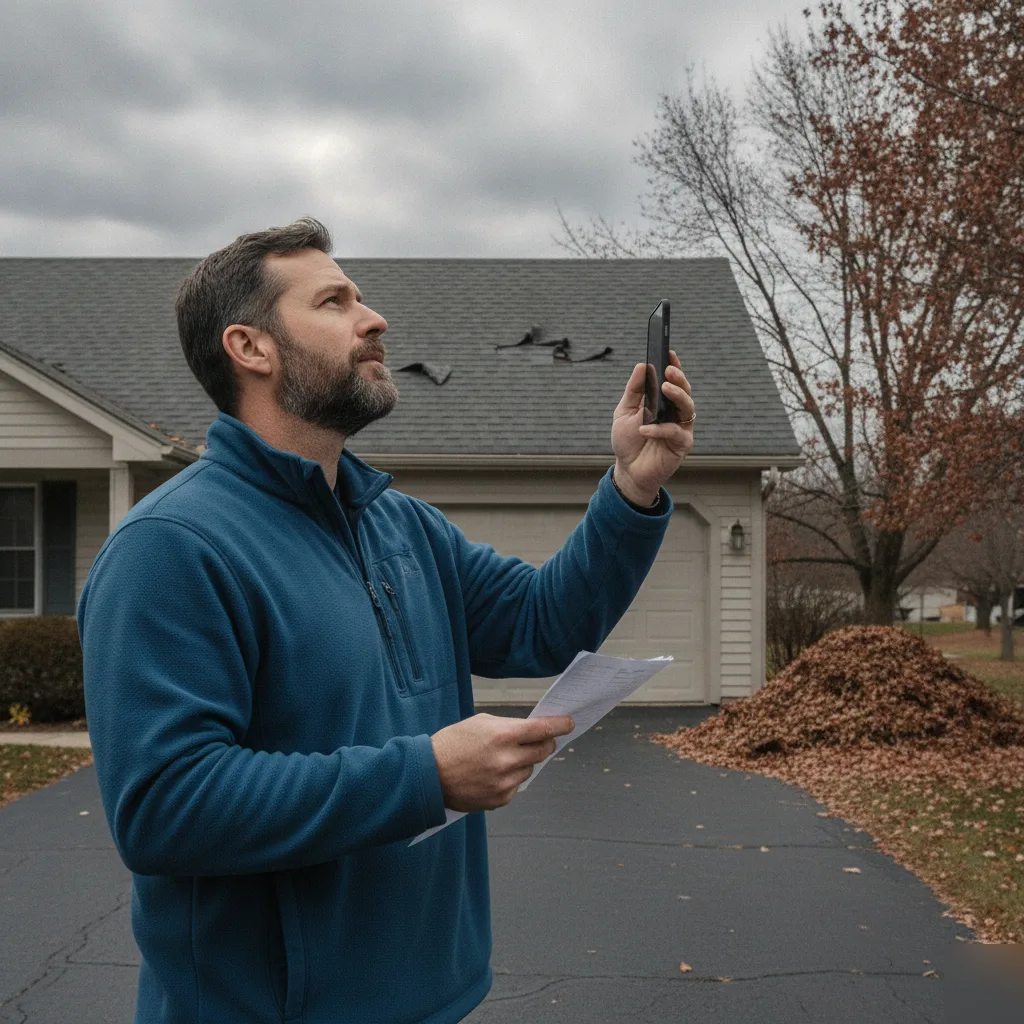
Why Roof Timing Is Really About More Than Weather
So what's the best time of year to replace a roof in Brownsburg? There's no single magic month. It comes down to the temperature range shingles need to seal properly, how booked up local crews are, and the way Hendricks County weather tends to shift through the seasons.
Most homeowners ask about roof timing with rain delays or snow days in mind. That's part of the picture, but the bigger factor is chemistry. Asphalt shingles rely on adhesive strips that need warmth to bond tight to the deck below them.
Too cold outside, and those strips won't seal right away. Too hot, and shingles get soft enough to scuff during install. We've walked roofs in July heat where the material felt almost rubbery underfoot, and that's not the kind of surface you want under a crew's boots.
Brownsburg sits squarely in that classic Indiana middle ground. Summers turn humid and sticky. Winters bring real cold snaps, ice included. Spring and fall swing back and forth, sometimes within the same week. So the window for genuinely good roofing conditions is narrower than most people assume.
- Temperature range needed for proper shingle sealing, usually above 40 degrees Fahrenheit
- Local humidity levels, which affect drying time for underlayment and adhesives
- Crew availability, since busy seasons mean longer wait times for scheduling
- Storm patterns common to Hendricks County, including spring wind and hail risk
- How soon repairs are needed if there's active leaking or damage
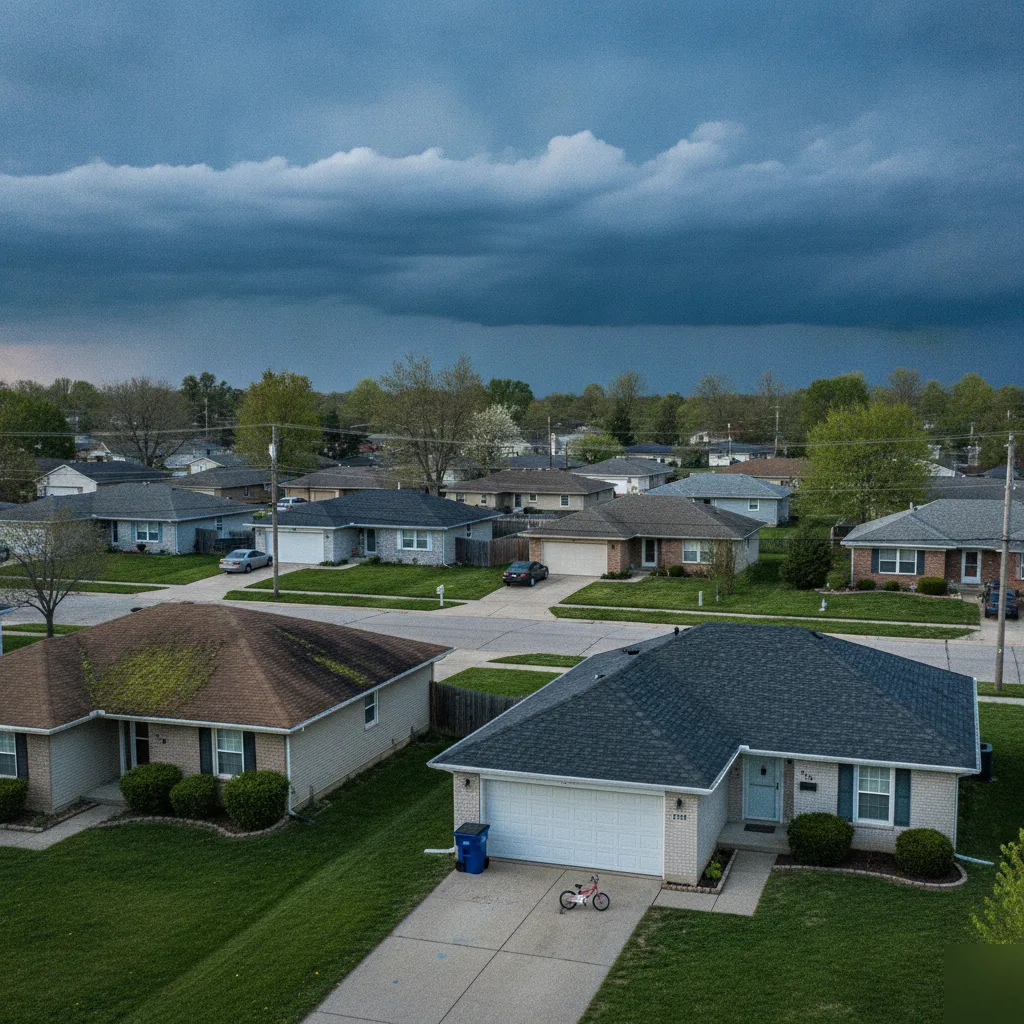
Here's something a lot of folks don't realize until they've lived through it: a roof replaced during the wrong weather stretch can look perfectly fine on day one and still cause trouble two winters later.
That's because sealing strips that never got warm enough to bond stay vulnerable to wind lift. We've seen this more than once on older Brownsburg homes near the subdivisions off Green Street, where a rushed late-fall job left shingles loose by the following spring.
So timing was never really about picking a pretty month for the crew to work outside. It's about giving the materials what they need to do their job for the next twenty or thirty years. Get that part right, and the season you chose stops mattering nearly as much.
How Temperature Affects Shingle Installation Quality
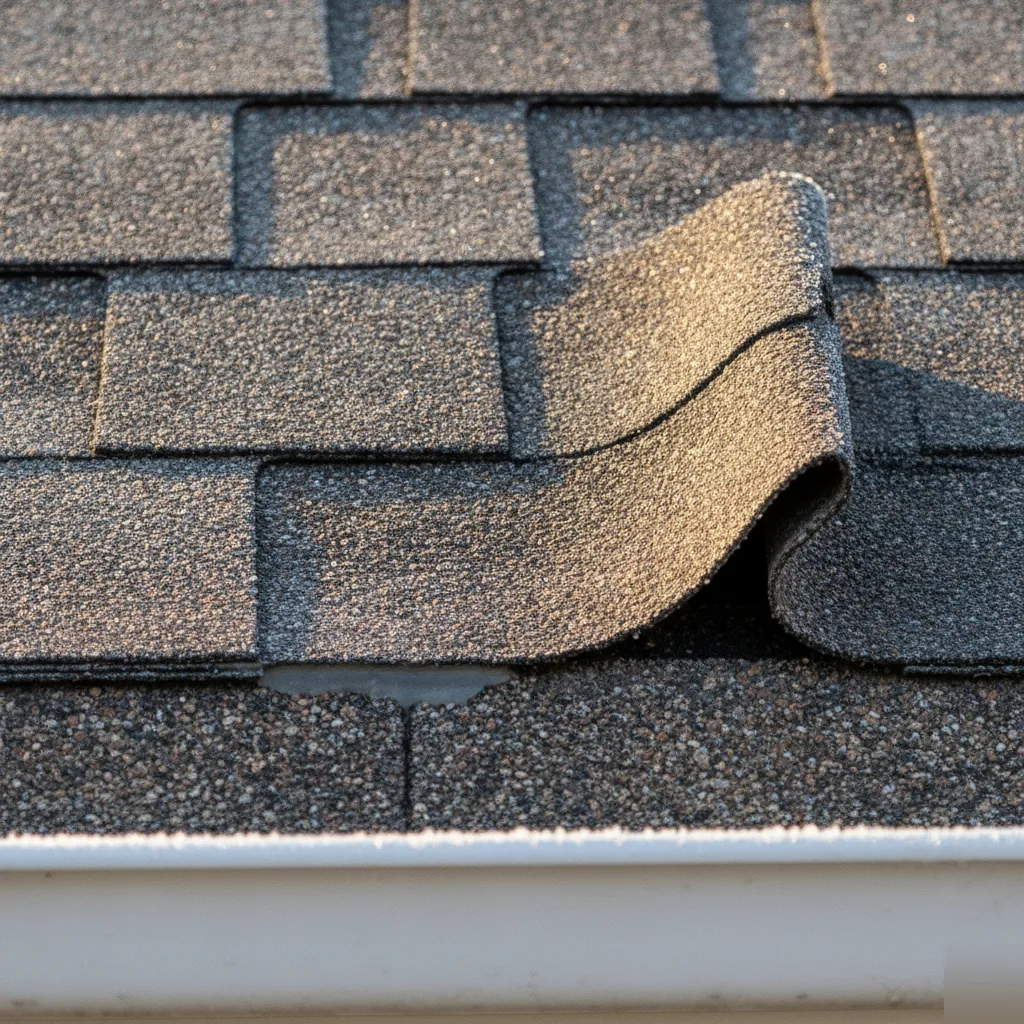
Shingles aren't just nailed down and left to sit. Each one carries a sealant strip on the back that needs heat to activate. That strip softens a little in the sun, then bonds to the shingle beneath it, and that bond is what keeps your roof watertight during wind and rain.
In Brownsburg, that bonding process gets tricky at both ends of the thermometer. Install shingles below 40 degrees and the sealant strip won't soften enough to grab. The shingle sits there looking perfectly normal, but underneath, it's not actually sealed.
We've pulled shingles off cold-weather jobs from other crews and found strips that never bonded at all. Come the first big windstorm, those shingles lift right off. That's not a material failure, it's a temperature problem.
Heat brings its own set of headaches. Once temperatures push past 90 degrees, shingles turn soft and pliable. Walking on them can scuff the granules or leave dents, and nail guns can overdrive into softened material, weakening the fastener hold. A crew rushing through a July install on a black-shingled roof in direct sun is working against the material, not with it.
- Below 40 degrees: sealant strips won't activate properly, leaving shingles vulnerable to wind lift.
- Above 85-90 degrees: shingles soften, making them easy to scuff, dent, or overdrive with nails.
- 45 to 80 degrees: the range where sealant strips bond reliably without the material getting too soft.
- Humidity and direct sun exposure can push surface temps higher than the air temperature reads.
So why does this matter more here than in a milder climate? Brownsburg sits in that Midwest zone where winters dip well below freezing and summers can sit in the 90s for weeks at a stretch. That's a wide swing, and it narrows the window when conditions actually favor a good seal.
Most homeowners never think about sealant strip temperature, they just want the job done. But an experienced crew reads the forecast before scheduling, not just the calendar. A 55-degree day in November can work just fine. A 38-degree morning in March, even with sun in the forecast, might mean waiting a few extra days for warmer weather to settle in.
This is the kind of detail that separates a roof that lasts decades from one that starts showing lifted shingles by year three.
Why Spring Storm Season Creates a Scheduling Crunch
Spring feels like the natural time to think about a new roof. The weather warms up, and homeowners start noticing the wear winter left behind. But spring is also when Hendricks County takes its hardest hits from hail and wind, and that timing creates a backlog most homeowners never see coming.
Here's what happens every year in Brownsburg. A spring storm rolls through, drops hail across a few neighborhoods, and suddenly hundreds of homeowners need roof inspections at once. Insurance adjusters get flooded with claims. Roofing crews get booked out weeks, sometimes months.
So if you're planning a roof replacement and you wait until after a storm hits, you're now competing with every other damaged roof in town.
- Storm damage claims spike from April through June across central Indiana, based on typical Midwest hail patterns.
- Adjusters often take longer to schedule inspections during peak claim periods.
- Reputable local crews book their spring calendar early, sometimes by late winter.
- Material suppliers can run low on popular shingle colors during high-demand months.
- Emergency tarping and repairs often take priority over scheduled replacements during storm recovery.
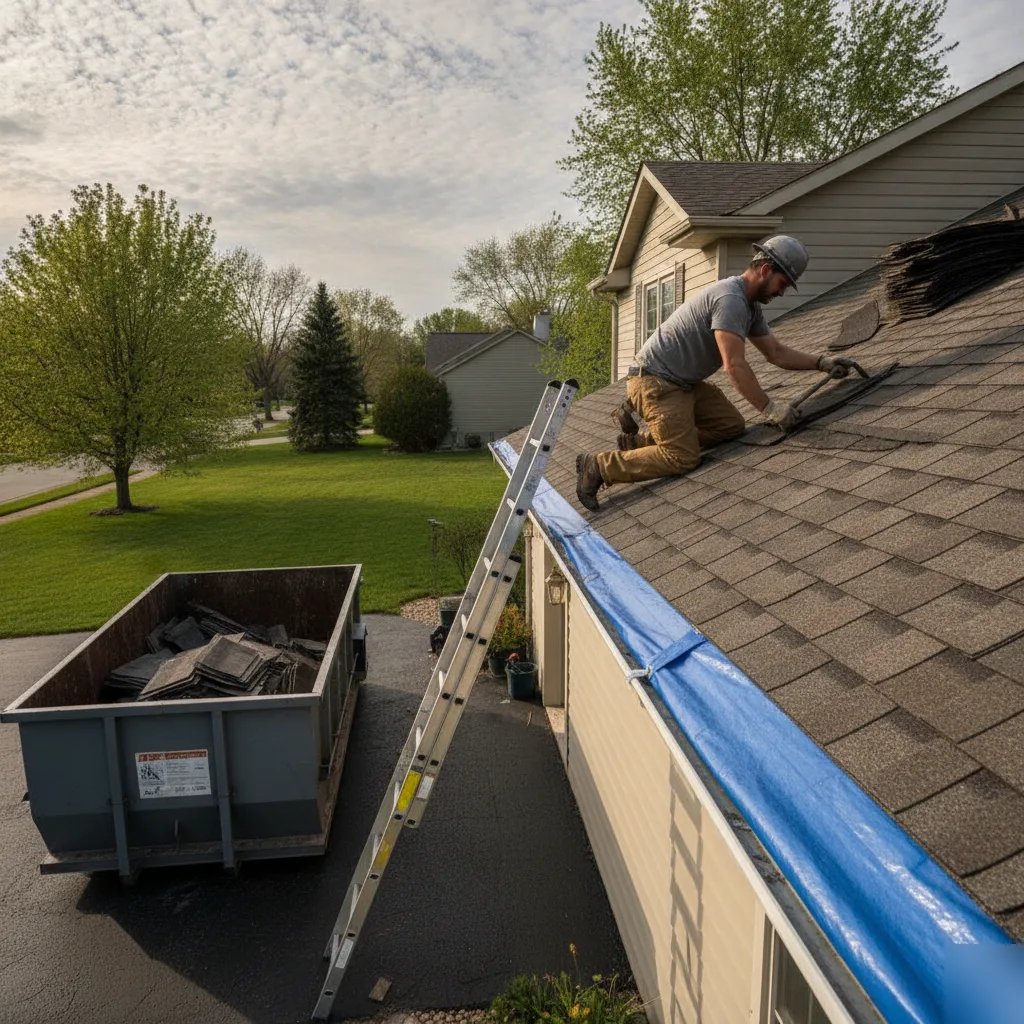
We see this mistake all the time. A homeowner notices a few missing shingles in March, figures they'll deal with it once the weather's nicer, then gets caught in the middle of storm season chaos. By the time they start calling around, the good crews are already stacked with insurance jobs.
And it's not just about availability. Rushed schedules during storm season often mean less flexibility on timeline and less one-on-one attention during the job itself. A crew juggling ten storm claims a week isn't moving at the same pace as one working through a planned, orderly schedule.
There's a quieter path here. If your roof is already showing age, don't wait for the storm to force your hand. Getting ahead of spring means you avoid the claim rush entirely, get your pick of scheduling windows, and skip standing in line behind every other roof in Brownsburg that just took a hail hit.
Think about it this way: would you rather replace your roof on your own timeline, or let a storm make that decision for you?
Frequently Asked Questions
What temperature is too cold to replace a roof in Brownsburg?
Below 40 degrees Fahrenheit is too cold for most asphalt shingle installs. The sealant strips on the back of each shingle need warmth to soften and bond properly. If the strip never warms up, the shingle looks fine but isn't sealed. In Brownsburg, this matters most during late fall and early spring, when a sunny afternoon can still follow a cold morning. A good crew checks the forecast, not just the calendar, before scheduling your job.
How do I know if I should call a roofing professional instead of waiting?
Call a professional right away if you see active leaking, missing shingles, or exposed decking after a storm. Waiting can turn a small repair into a bigger replacement job, especially once water gets under the underlayment. Minor cosmetic wear, like a few curling shingles, can usually wait for a proper inspection. If you're unsure which category your roof falls into, a trained eye can tell the difference in minutes. This is exactly the kind of assessment covered on our roof replacement in Brownsburg page.
What's the biggest mistake homeowners make when timing a roof replacement?
The biggest mistake is waiting until after storm season to schedule, then getting stuck in the spring backlog. Once hail or wind damage hits a neighborhood, roofing crews and insurance adjusters get flooded with requests all at once. Homeowners who book early, before their roof is failing, avoid competing for the same limited crew time. Planning ahead, even by a few weeks, can mean the difference between a smooth install and a long wait.
Does Brownsburg's weather really make roof timing different than other areas?
Yes, Brownsburg's swing between hot summers and cold winters narrows the window for good sealing conditions more than milder climates do. Hendricks County sees real cold snaps, humid summers, and unpredictable spring storms, sometimes all within the same season. That combination means the ideal sealing range, roughly 45 to 80 degrees, doesn't last as long here as it might elsewhere. Local crews who track these patterns year after year can spot the right stretch of days more reliably than a general weather app.
Can a roof replaced in the wrong season still look fine at first?
Yes, a roof installed in poor conditions can look completely normal for a while before problems show up. Sealant strips that never bonded properly stay vulnerable to wind lift, even though the shingles appear straight and even on day one. We've seen this happen on older Brownsburg homes near the subdivisions off Green Street, where a rushed late-fall job led to loose shingles by the following spring. That's why the quality of the install matters more than the month on the calendar.
What time of year has the fewest scheduling delays for a new roof?
Late summer through early fall usually has fewer scheduling delays than spring in Brownsburg. Spring storm season creates a backlog of insurance claims and emergency repairs that push scheduled replacements further out. By late summer, most storm-related work has cleared, and temperatures are still warm enough for shingles to seal correctly. Booking during this window often means a faster start date and more attention from your crew.