
Brownsburg, IN
What Shingle Color Is Best for Brownsburg Home Resale Value?
Why Neutral Tones Tend to Outperform Trending Colors
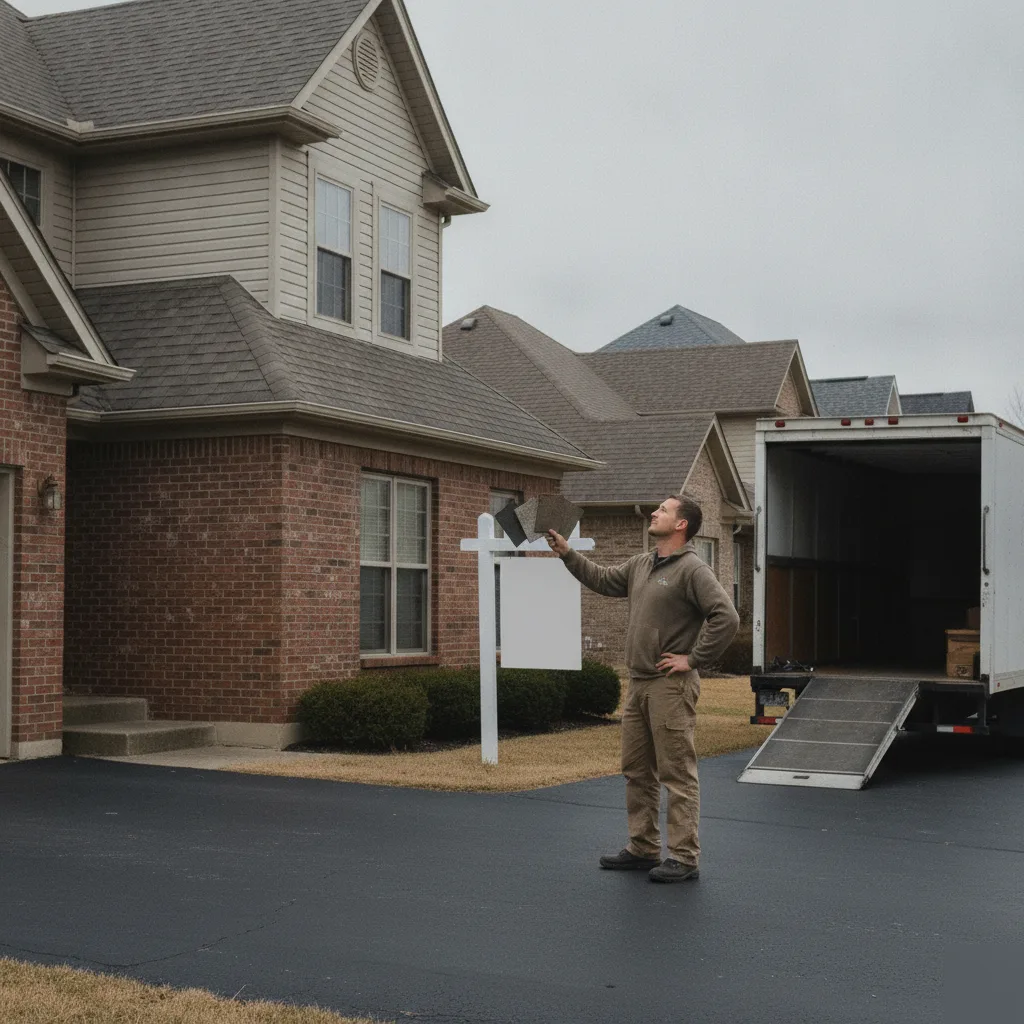
For most Brownsburg homes, neutral shingle colors like weathered wood, driftwood, and charcoal gray hold resale value better than bold or trendy shades. Buyers touring homes in neighborhoods like Sycamore Springs or Winding Ridge tend to picture their own furniture and siding against a roof, and neutral tones make that easier. Trendy colors can look great for a season, but they narrow your buyer pool the moment tastes shift.
So what's the best shingle color for resale value in Brownsburg? Honestly, the answer is a little boring on purpose. Neutral shingles win because they don't pick fights with anything else on the house. Brick, vinyl siding, stone accents, black shutters, it doesn't matter. A gray or brown neutral just sits quietly underneath all of it.
We've walked plenty of Brownsburg roofs where a homeowner chose a bold color simply because they loved it. Fair enough, if you're planning to stay put for twenty years. But if resale is even a maybe down the road, trending colors can work against you. Buyers form an opinion about a house in about ten seconds. A roof that clashes even slightly with the siding plants a small doubt before anyone's even walked through the front door.
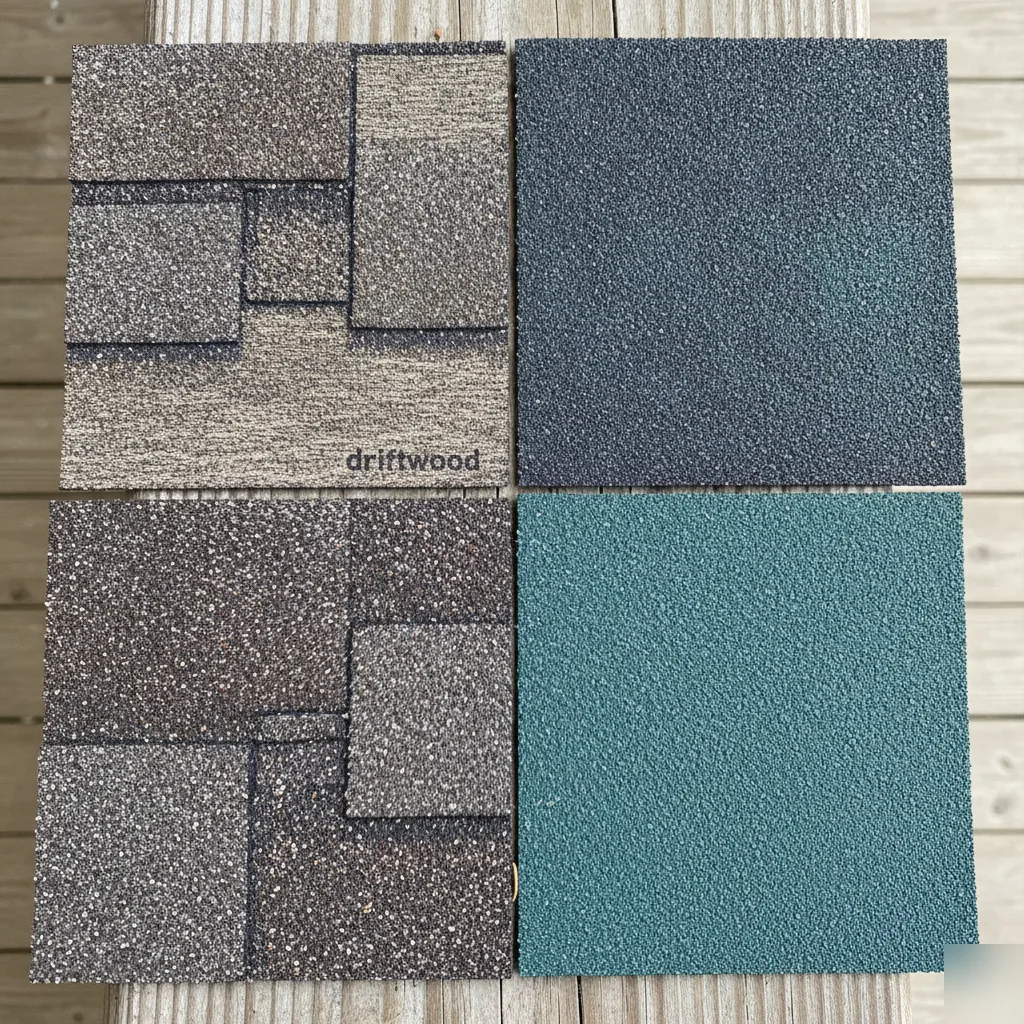
- Weathered wood blends with almost any brick or siding shade common in Hendricks County homes.
- Driftwood and pewter gray photograph well for online listings, which matters more than most sellers realize.
- Charcoal reads modern without looking like a passing trend, so it ages better over ten to fifteen years.
- Bold blues, greens, or reds can date a home the same way an outdated kitchen backsplash does.
Here's a real-world truth from years of estimates: the homes that sell fastest in this market usually have roofs nobody notices, not in a bad way, more in an it-just-works way. One homeowner near Cardinal Elementary picked a deep green shingle to match her landscaping. Pretty roof, no doubt. But her agent later mentioned that two separate buyers said the color felt heavy against the brick. A neutral roof just doesn't start that conversation.
Why do neutrals hold up better long term? Part of it comes down to Indiana weather. Sun fading, pollen, and seasonal debris show up less on a mid-tone neutral than on something very light or very saturated. That means the roof still looks decent at year eight or nine, which matters a lot when an appraiser or buyer is standing in your driveway.
How to Match Shingle Color to Brick, Siding, and Trim
Your brick and siding are the anchor, and the roof needs to work with them rather than fight them. Most Brownsburg homes fall into a few familiar categories: red brick ranches, tan or gray vinyl-sided two-stories, and newer builds with stone accents around the door or garage. Each one points toward a different shingle family.
Red brick is the trickiest to work with. It's warm, even a little pink, so cool gray shingles can clash and end up making the brick look dated instead of classic. Weathered wood or driftwood tones tend to soften red brick without competing with it. And here's something years of roof-walking have taught us: a small color chip looks nothing like a full roof in full sun. Bring a bigger sample if you can, or better yet, ask to see a nearby roof with that same shingle already installed.
Tan and beige siding usually pairs well with warm charcoal, driftwood, or a mixed earth-tone shingle. Steer clear of pure black here. It tends to look stark against warm siding, almost like two different projects got stuck together.
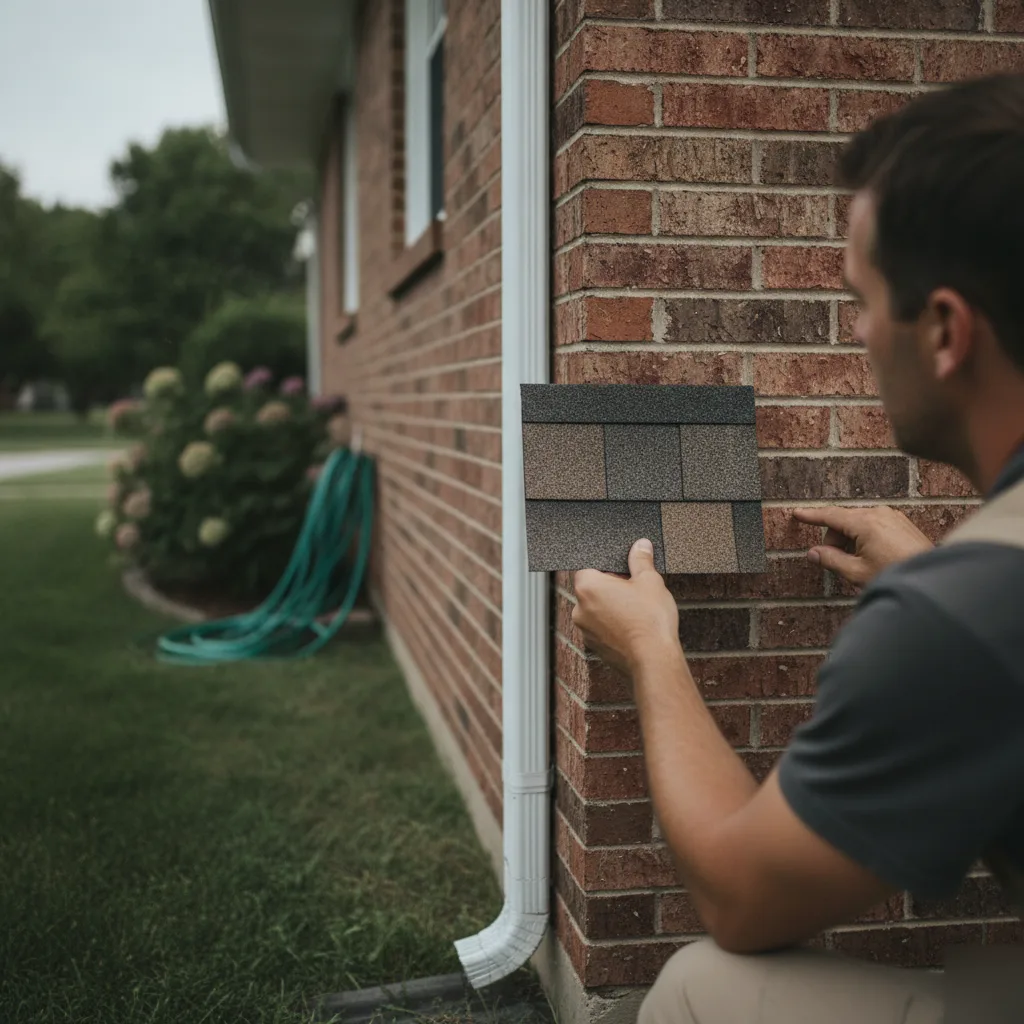
Gray siding is more forgiving overall. Cool grays, charcoals, and even some black blends work fine, since the base tone already lines up.
Trim color matters more than most people expect. White trim reads crisp against nearly any shingle, but cream or ivory trim next to a stark black roof can look slightly off, like the colors are competing rather than matching.
- Red or orange brick: lean toward weathered wood, driftwood, or warm brown-gray shingles.
- Tan or beige siding: warm charcoal or blended earth tones work.
- Gray or blue siding: cool charcoal or black-gray blends match cleanly.
- White or cream trim: almost any shingle color works, but avoid extreme contrast with warm siding.
- Stone accents: pull one dominant stone tone and match the shingle undertone to it.
One more thing worth saying plainly: don't try to match colors exactly. Shingles aren't paint. They're made of granules blended in several shades, so an exact match isn't really the goal, harmony is. A roof that's close in tone but not identical almost always looks better than one that's straining to line up perfectly.
If you're standing in your driveway right now weighing two samples, snap a photo in the afternoon light. Colors shift a surprising amount between morning and evening, and what looked gray at 9am can look brown by 4pm.
This is where a second set of eyes really helps. The team has walked hundreds of Brownsburg exteriors and can usually tell within a few minutes which shingle family will sit right with your brick and trim. It's a small step, but it can save you from repainting trim or second-guessing a decision that's supposed to last decades.
How Central Indiana Weather Affects Shingle Color Over Time
Brownsburg gets the full swing of Indiana weather: humid summers, icy winters, and plenty of sun in between. That mix wears on shingles in ways a lot of homeowners don't expect. Dark shingles soak up more heat during July and August. Light shingles show dirt and algae streaks faster in our humid stretches. Neither is wrong exactly, but each comes with a trade-off worth knowing before you decide.
Here's something most people don't realize until they've lived with a roof for a few years: granules wear off faster on the sun-facing side of a house. In Brownsburg, that's usually the south and west slopes. Over time, that side can look noticeably lighter or blotchier than the rest of the roof, and it's more obvious on darker colors because the contrast between worn and unworn granules stands out more.
Freeze-thaw cycles matter too. Indiana can swing from 20 degrees to 50 degrees in a single week during spring and fall. Shingles expand and contract with those swings, and darker colors that absorb more heat expand a bit more on sunny winter days. That extra movement can speed up granule loss on black or dark brown shingles compared to lighter tans or grays.
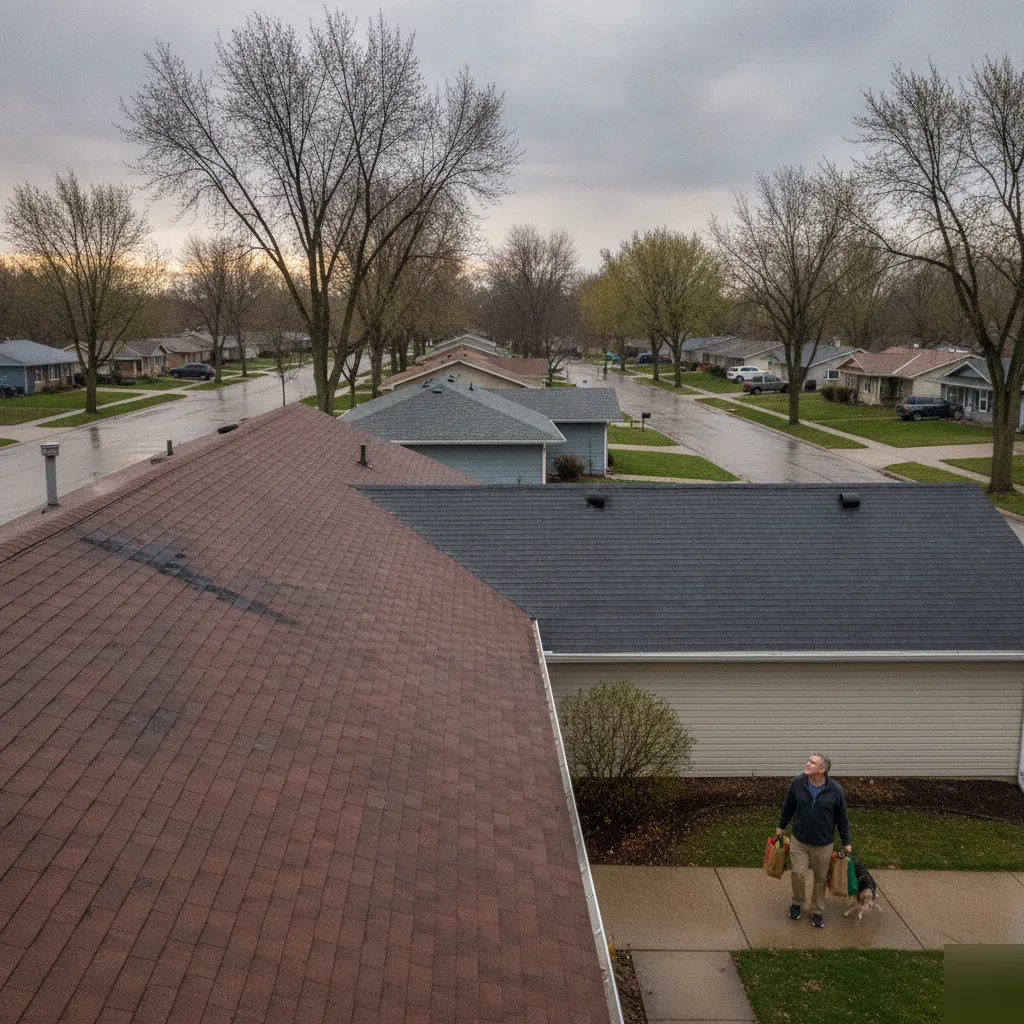
- Algae growth (those dark streaks) shows up more on lighter colored shingles in humid Indiana summers.
- Heat absorption is higher on dark shingles, which can accelerate granule loss over 15-20 years.
- South and west facing slopes fade faster than north facing slopes on every color.
- Freeze-thaw movement is slightly more pronounced on darker shingles due to heat absorption.
None of this means one color is doomed and another is completely safe. It just means the weather here plays a real role in how a color ages, and that matters if resale is anywhere on your radar. A buyer walking up to a home with even, consistent color reads that roof as well cared for. A roof with obvious fade patterns or streaking, even if it's structurally fine, can make a buyer wonder what else might have been skipped.
We've walked plenty of Brownsburg roofs where the shingle color looked great from the street but told a different story up close. That's the thing about weather wear, it's gradual. You won't notice it month to month. But five years in, standing next to a neighbor's roof, the difference becomes obvious.
Frequently Asked Questions
Does shingle color really change how much a Brownsburg home sells for?
Yes, shingle color can affect how buyers feel about a home before they even walk inside. A roof that clashes with the brick or siding creates a small doubt in a buyer's mind. Neutral tones like weathered wood or charcoal gray tend to blend in, so buyers focus on the house itself instead of the roof. Studies on curb appeal show first impressions form fast, often within seconds of pulling into the driveway.
Is it a mistake to pick a trendy shingle color if I might sell later?
It can be, especially if resale is even a small possibility down the road. Bold or trendy colors look great for a while, but tastes shift. A shade you love today might feel dated in five or ten years. Neutral colors age slower and appeal to more buyers, which keeps your options open. If you're torn between a color you love and one that's safer for resale, it helps to talk it through before you commit.
How does Brownsburg weather affect the way shingle color looks over time?
Brownsburg's humid summers and icy winters wear on shingles differently depending on their shade. Dark shingles absorb more heat in July and August, while lighter shingles show dirt and algae streaks faster in humid stretches. South and west-facing slopes usually fade quicker because they get more direct sun. Choosing a mid-tone neutral often hides this wear better, so your roof still looks decent years down the road.
Should I try to match my shingle color exactly to my brick or siding?
No, an exact match isn't the goal, and it usually isn't possible anyway. Shingles are made from blended granules, not solid paint, so they'll never match siding perfectly. What matters is harmony, picking a shingle tone that sits close to your brick or trim without straining to line up. A roof that's close but not identical almost always looks better than one trying too hard to match.
When should I get a professional opinion instead of picking a shingle color myself?
You should get a second opinion whenever you're weighing two samples and can't decide, or when your brick and siding fall into that tricky red or warm-toned category. Colors shift a lot between morning and evening light, which makes solo decisions harder than they seem. A quick walk-through with someone who's seen hundreds of Brownsburg roofs can save you from a choice you'll regret later. If you want that extra confidence, a free color consultation is a simple next step.