
Brownsburg, IN
How Do I Know if My Brownsburg Home Needs Window Replacement or Just Repair?
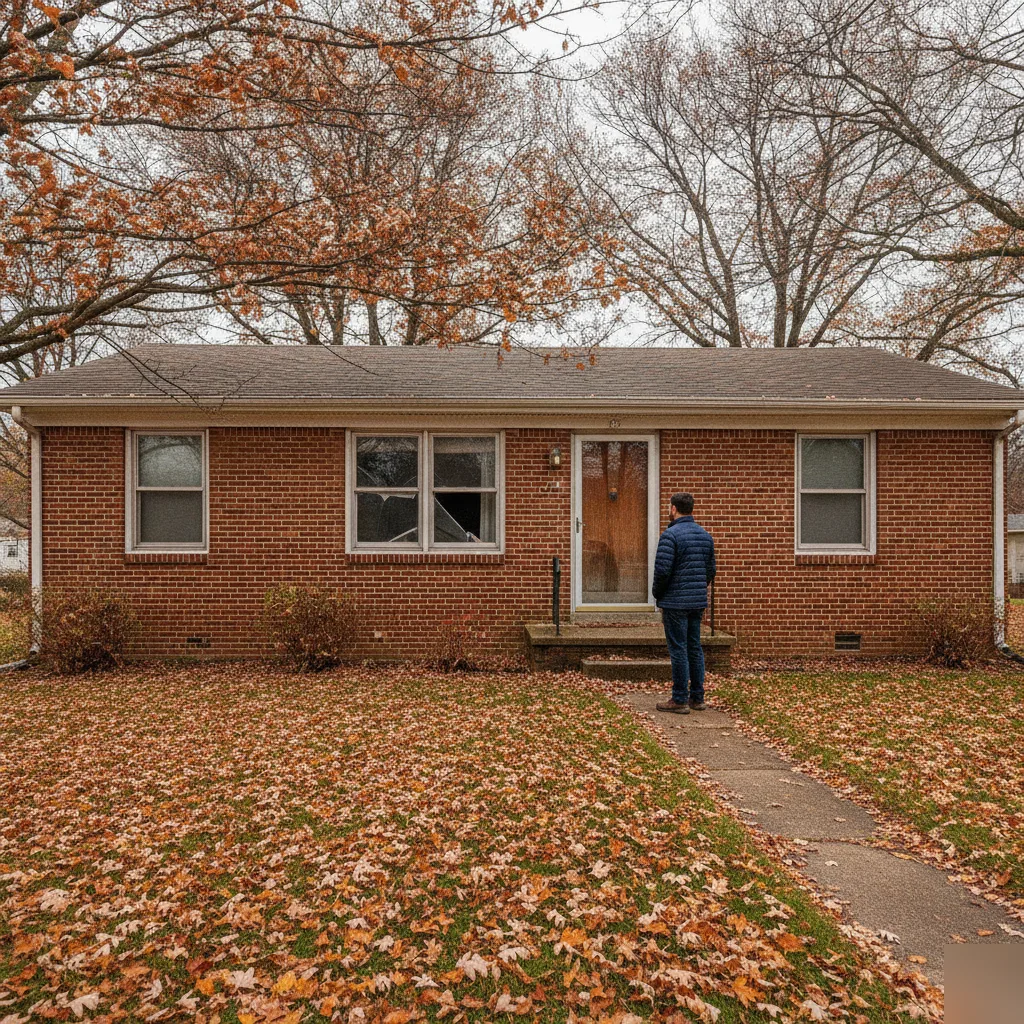
Why the Repair-or-Replace Decision Comes Down to Which Part Is Failing
The real question isn't how old your window is, it's which part broke. A failed seal, a cracked pane, or worn weatherstripping can usually be repaired. A warped frame, rotted wood, or a window failing in more than one spot at once is a different story, and that's usually when replacement makes more sense. When replacement is the right call, our door and window installation team can help.
Most Brownsburg homeowners start with the wrong question. They ask how old the window is instead of asking what actually stopped working. Age matters a little, sure, but a 15-year-old window with one bad seal isn't the same problem as a 15-year-old window with a rotted frame and a broken sash lock. The team has walked into homes near Arbuckle Acres Park where the owner assumed every window needed replacing, only to find that two of them had real structural issues while the rest just needed new weatherstripping.
Here's the rule the team leans on during site walks: if the frame and sash are still solid, repair is usually on the table. If the frame itself is compromised, replacement is almost always the better call.
Windows have a handful of parts that can fail on their own, independent of each other. Knowing which one is giving you trouble tells you almost everything about whether a repair will actually hold up.
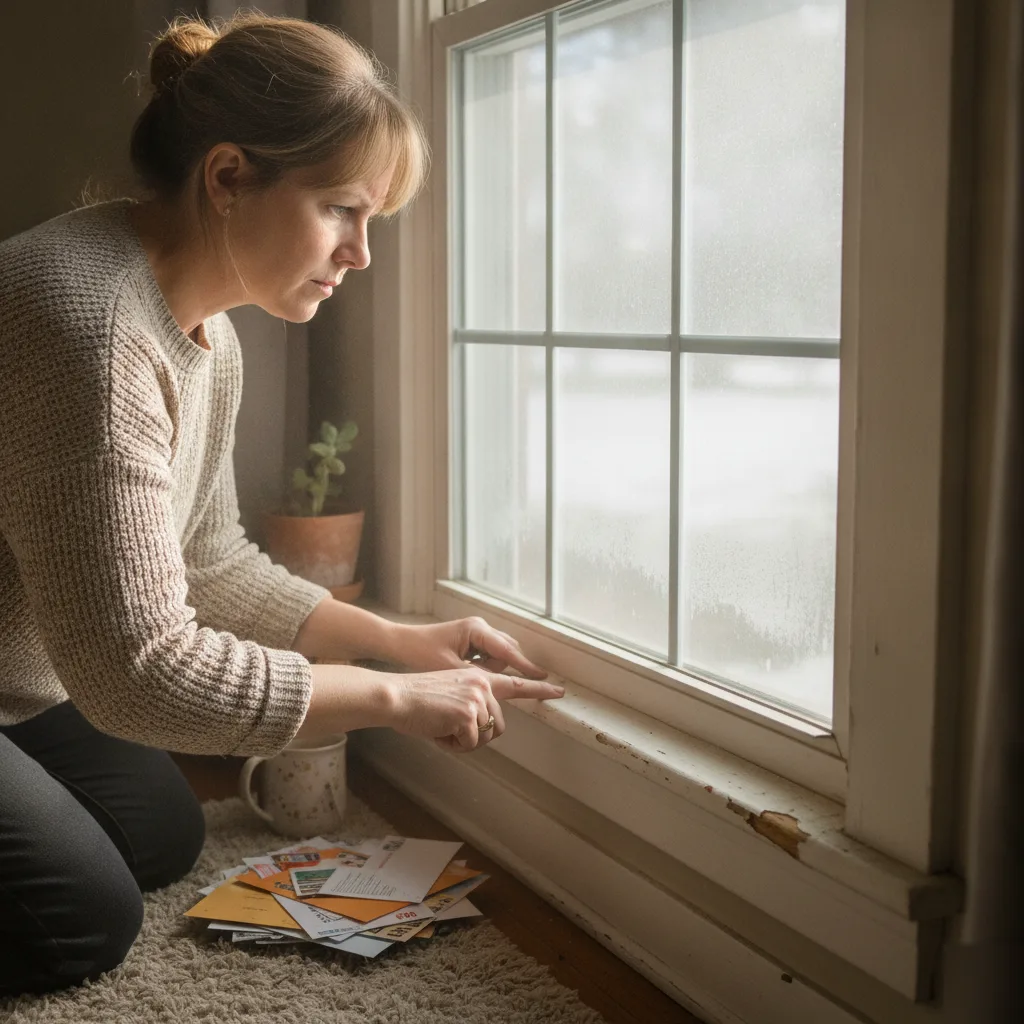
- Glass and seals: foggy glass or a cracked pane is a glass problem, and it's often fixable without touching the rest of the unit.
- Weatherstripping and caulking: drafts and small air leaks usually trace back to worn strips or gaps that can be resealed.
- Hardware: sticky locks, broken cranks, or a sash that won't stay up are mechanical issues, and they're some of the easiest fixes there are.
- Frame and sash material: wood rot, warping, or a frame pulling away from the wall is a structural failure, and that's where repair stops making sense.
- Balance system: a window that won't stay open on its own has a balance issue, and this one can go either way depending on how much frame damage surrounds it.
Why does this distinction matter so much? Because repairing a bad frame is really just a short-term patch on a long-term problem, and most people don't realize it until they've paid for the same repair twice.
One thing the team runs into constantly in Brownsburg's older neighborhoods, homes built before the mid-1990s, is original wood frames that look fine from six feet away but feel soft at the bottom corners once you touch them. That softness is moisture damage working its way out from the inside. No amount of caulk fixes that.
A single failed part is usually a repair. Multiple failed parts on the same window is usually a sign the whole unit has reached the end of the line.
The fastest way to know for sure which category your windows fall into is to have someone look at the frame, the seals, and the hardware together, not just react to one symptom at a time.
Check the Glass and Seal First
Start with the glass. Foggy glass between panes almost always means the seal has failed. That fog is trapped moisture, and once it's in there, it won't clear up on its own.
Brownsburg's humid summers and cold winters put extra strain on window seals. The team has walked into homes near Arbuckle Acres Park where every window on the sun-facing side had the same cloudy look, same age, same builder, same failure point.
So how do you know if it's just the seal or the whole window? Press your hand against the glass on a cold day. If you feel a draft even with the window locked shut, that's no longer a seal problem, that's a frame or gap problem.
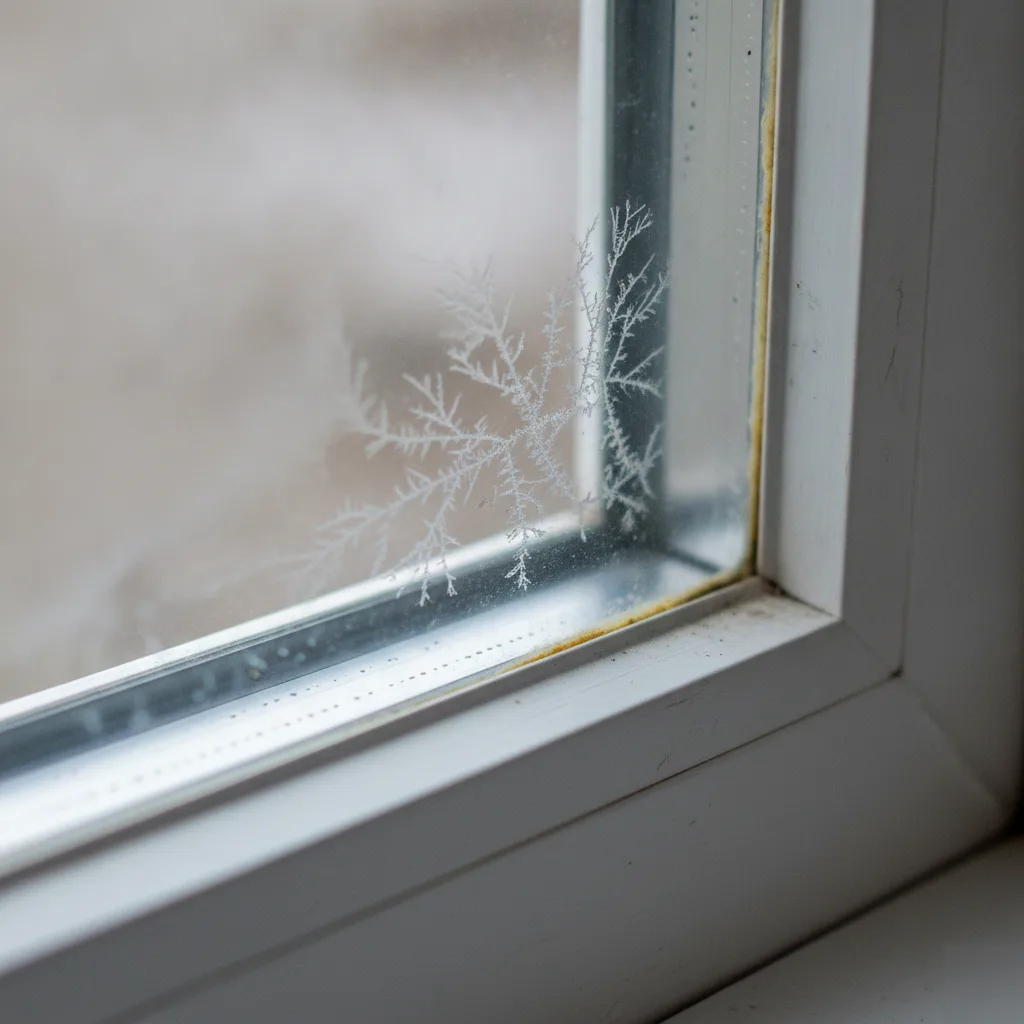
- Fog or moisture trapped between the panes of double-pane glass.
- A hazy or milky ring around the edge of the glass.
- Cold air near the glass even when the window is fully closed and locked.
- Visible cracks or chips in the glass itself, not just the frame.
- Condensation on the inside of the glass during winter mornings.
A single foggy pane on an otherwise solid window is usually a repair, swap the glass unit and keep the frame. But fog on three or four windows in the same room isn't a one-off, it's a pattern, and patterns like that usually mean the whole batch is aging out together.
Here's something most homeowners miss. Older double-pane windows in Hendricks County homes built in the 80s and 90s often used a different sealant than what's used today, and those seals tend to fail in clusters rather than one at a time. If one window shows fog, check the others installed the same year. There's a good chance more are close behind.
Cracked glass falls into its own category. A single crack from an impact, like a rock kicked up by a mower, is a straightforward glass repair. But stress cracks that appear without any impact usually mean the frame is shifting or the house has settled, and glass replacement alone won't fix that.
One more thing worth knowing: foggy glass doesn't always spike your energy bill right away. At first it's mostly a clarity and appearance issue. But the failed seal means the insulating gas between the panes is gone too, and that's where the real energy loss starts creeping in.
Check the Frame for Rot, Warping, or Structural Damage
The frame does more work than most homeowners realize. It holds the glass, seals out the weather, and carries the weight of the whole window unit. Once a frame starts failing, everything around it follows, and this matters a lot in Brownsburg, where older homes near downtown often still have their original wood frames from decades ago.
Wood frames soak up moisture over time. Indiana humidity swings hard between seasons, and that back-and-forth stress breaks down wood fibers year after year. A frame that feels soft under light pressure has already lost its strength. Press your thumb into the wood near the bottom corners, if it gives easily or feels spongy, rot has already set in.
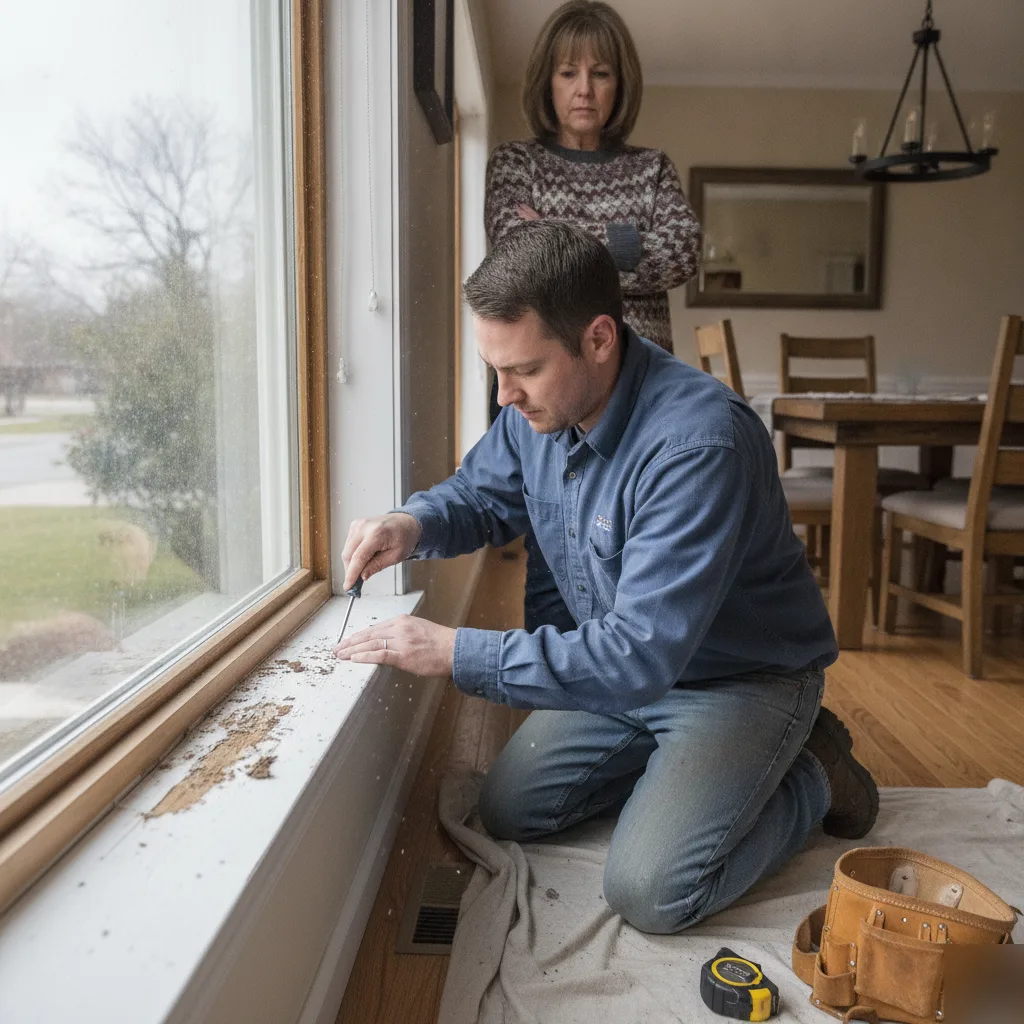
- Soft, spongy wood near the sill or lower corners.
- Dark staining, mold spots, or a musty smell around the frame.
- Visible gaps between the frame and the wall.
- Frame that no longer sits square in the opening.
- Windows that stick, drag, or won't latch properly.
Here's something the team sees often on ranch homes built in the 60s and 70s across Hendricks County: the original wood frames got painted over so many times that rot hid underneath for years. By the time anyone noticed the paint bubbling, the frame underneath had already crumbled. At that point, it's not a repair job anymore, it's a full window replacement.
Vinyl and aluminum frames fail differently. Vinyl can warp from direct sun exposure, especially on south-facing walls. Aluminum frames don't rot, but they corrode and can bend out of shape after years of expansion and contraction. Either way, once a frame loses its shape, the seal around the glass goes right along with it.
Warping is easy to spot once you know what to look for.
Stand back and look at the window from across the room. Does the frame look straight, or does one side bow out slightly? Try closing the window all the way, if it won't seat flush against the frame anymore, something has shifted. A homeowner in Brownsburg once called about a stuck window she figured just needed lubricant. Turned out the frame had warped enough that the sash could no longer sit square, and no amount of oil was going to fix that.
Small cracks or minor paint peeling can often be patched. But rot that's spread past the surface, or a frame that's visibly out of square, means repair won't hold for long. For a broader look at the warning signs, this guide on signs it's time to replace your windows is a helpful reference.
Frequently Asked Questions
Can I repair a window myself, or should I call a professional?
You can handle small fixes yourself, like re-caulking a draft or tightening loose hardware. But once you find soft wood, a shifting frame, or fog on several windows in the same room, it's time to call a professional. A trained eye can tell the difference between a surface issue and a structural one before you spend money on the wrong fix. If you're unsure which category your windows fall into, a quick look from someone who does this daily can save you a repeat repair later.
What's the biggest mistake Brownsburg homeowners make when judging window damage?
The biggest mistake is judging a window by its age instead of what's broken. A 20-year-old window with tight hardware and clear glass can outlast a 10-year-old window with a rotted frame. Age gives you a hint, but it's not the deciding factor. Check the glass, the frame, and the hardware separately before deciding anything. If you want a clearer picture of your options once you've spotted real damage, it helps to look at window replacement options built for older Brownsburg homes.
Does Brownsburg's weather make window seals fail faster?
Yes, Brownsburg's humid summers and cold winters put extra stress on window seals. That constant swing between hot and cold causes seals to expand and contract, which speeds up failure. This is especially common in homes near Arbuckle Acres Park, where sun-facing windows often show fog and cracking around the same age. If your windows were installed in the same year, check them as a group, not one at a time, since seals from the same batch tend to fail together.
Is foggy glass always a sign I need a whole new window?
No, foggy glass on just one window is usually a repair, not a full replacement. The seal between the panes has failed, but the frame and hardware are often still fine. Swapping the glass unit alone can fix it. The concern grows when fog shows up on three or four windows in the same room. That pattern usually means the whole batch installed at the same time is aging out together, not just one bad unit.
How can I tell if my window frame has rot before it gets worse?
Press your thumb gently into the wood near the bottom corners of the frame. If it feels soft or spongy, rot has already started, even if the surface looks fine. This is common in older Hendricks County homes with original wood frames from decades ago. Moisture works its way through the wood from the inside, so a frame can look solid from a few feet away while already losing strength underneath.
What's the difference between a hardware problem and a frame problem?
A hardware problem affects parts like locks, cranks, or the balance system, and these are usually easy, low-cost fixes. A frame problem means the wood or vinyl structure itself is warped, rotted, or pulling away from the wall, which is a bigger structural issue. Sticky locks or a sash that won't stay open point to hardware. Softness in the wood or visible gaps around the frame point to something more serious that repair alone won't solve.