
Brownsburg, IN
What Are the Most Common Window Installation Mistakes in Brownsburg?
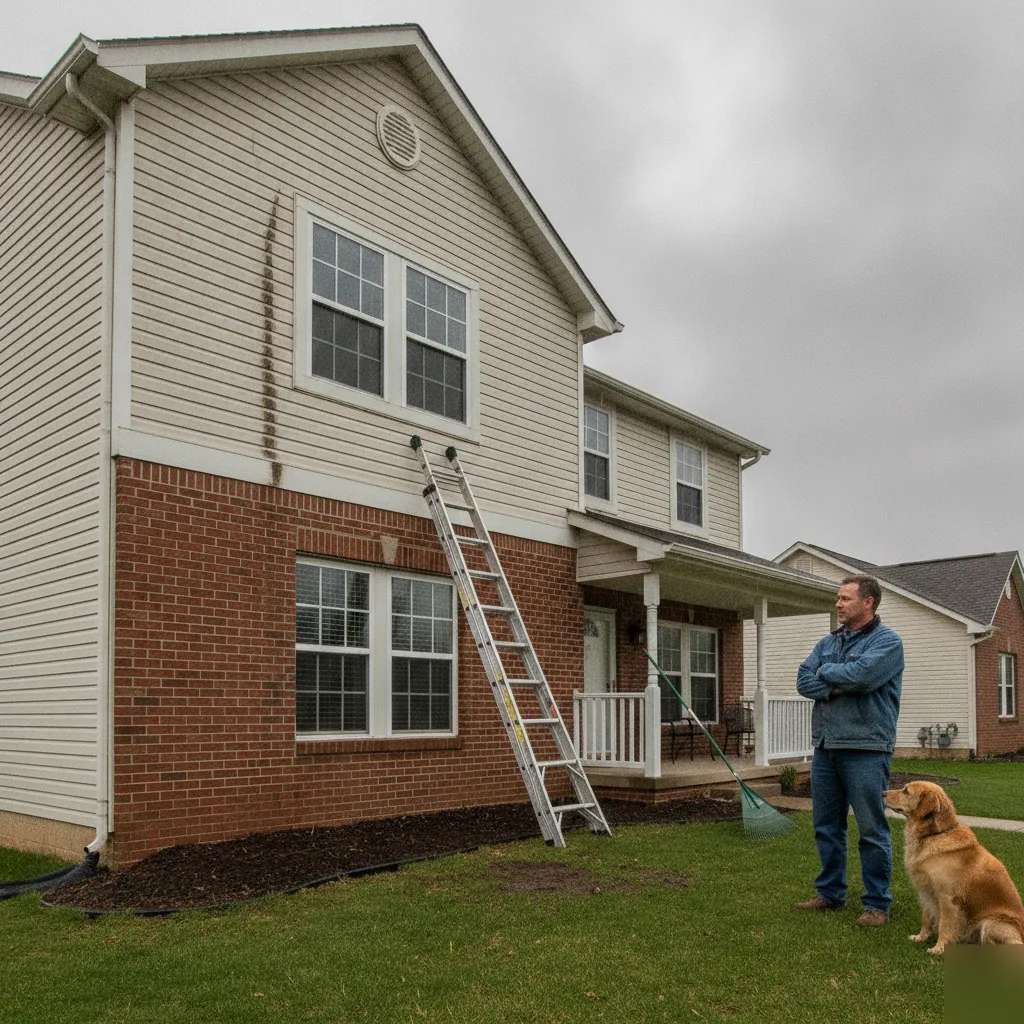
Why Most Window Installation Mistakes Stay Hidden for Months
Most window installation mistakes in Brownsburg don't announce themselves on day one. Bad flashing, poor sealing, and rushed framing usually need a full season or two of Indiana weather before they show up as drafts, fogging, or water stains. By the time you spot the problem, the damage has often already worked its way inside the wall. Hiring a crew for professional window installation avoids most of them.
A new window looks great the day it goes in. It's clean, it opens smoothly, the trim is freshly painted. But looks don't tell you much. The real test comes with a Brownsburg winter, then a humid July stretch, then another winter. That's when the shortcuts start talking.
We've walked into homes near Arbuckle Acres Park where a window installed two summers earlier looked flawless from the street. Inside the wall cavity, though, water had been tracking down the framing for months. Nobody saw it coming. The homeowner just noticed a musty smell near the sill.
So why does this happen? Window failures tend to be slow because moisture and air leaks work quietly. A gap in the flashing doesn't dump water in all at once, it seeps a little at a time. Add Indiana's freeze-thaw cycles into the mix, and that slow leak eventually turns into swollen wood, then soft drywall, then a repair bill nobody saw coming.
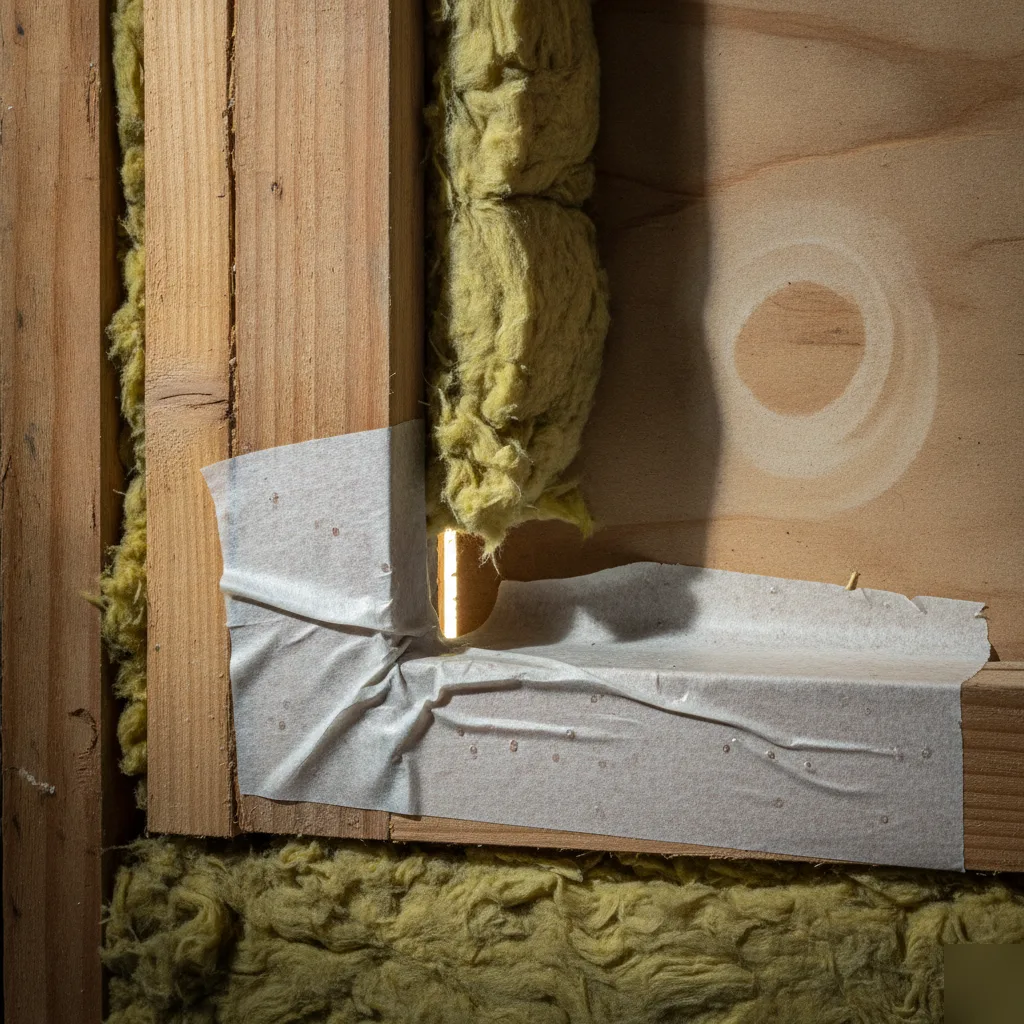
- Missing or incorrect flashing lets water sneak behind the siding instead of running off it.
- Gaps in the foam or caulk around the frame let humid air condense inside the wall cavity.
- Improper shimming puts pressure on the frame, which slowly warps the window over a year or two.
- Skipped or rushed sill pans trap water right where the window meets the framing.
- Nailing fins bent or missed during install create tiny gaps you can't see from inside or outside.
Here's the part most people don't realize until it's too late: the visible signs, drafts, fogging between panes, peeling paint, are usually the last symptom, not the first. The first sign is almost always invisible. It's moisture sitting in the wall, quietly doing damage nobody can see.
And that's exactly why a rushed install is riskier than it looks on install day.
This is one of the biggest reasons our team walks every install site twice, once during framing checks and once after the window is set and sealed. Catching a flashing gap before drywall goes back up costs almost nothing. Catching it two years later, after mold has set in, costs a lot more, and it was entirely avoidable.
Common Technical Mistakes That Cause Problems Later
Some window mistakes hide behind the trim for years before they show up. That's the scary part. A window can look great on install day, then leak, fog up, or rot the framing two winters later. Most of these problems trace back to a handful of technical steps that got skipped or rushed.
Flashing is the biggest one our team sees on older Brownsburg homes near Arbuckle Acres Park and the areas around Green Street. Builders decades ago didn't always use it correctly, and re-installers sometimes skip it entirely to save time. Without proper flashing, water sneaks behind the siding and soaks the wall cavity. You won't see it right away. Give it a couple of Indiana winters, though, and you've got soft framing and mold nobody wants to find.
Shimming is another spot where corners get cut. A window that isn't shimmed square will bind, leak air, and wear out its hardware faster than it should. And if the gaps around the frame get filled with the wrong material, that causes its own set of problems.
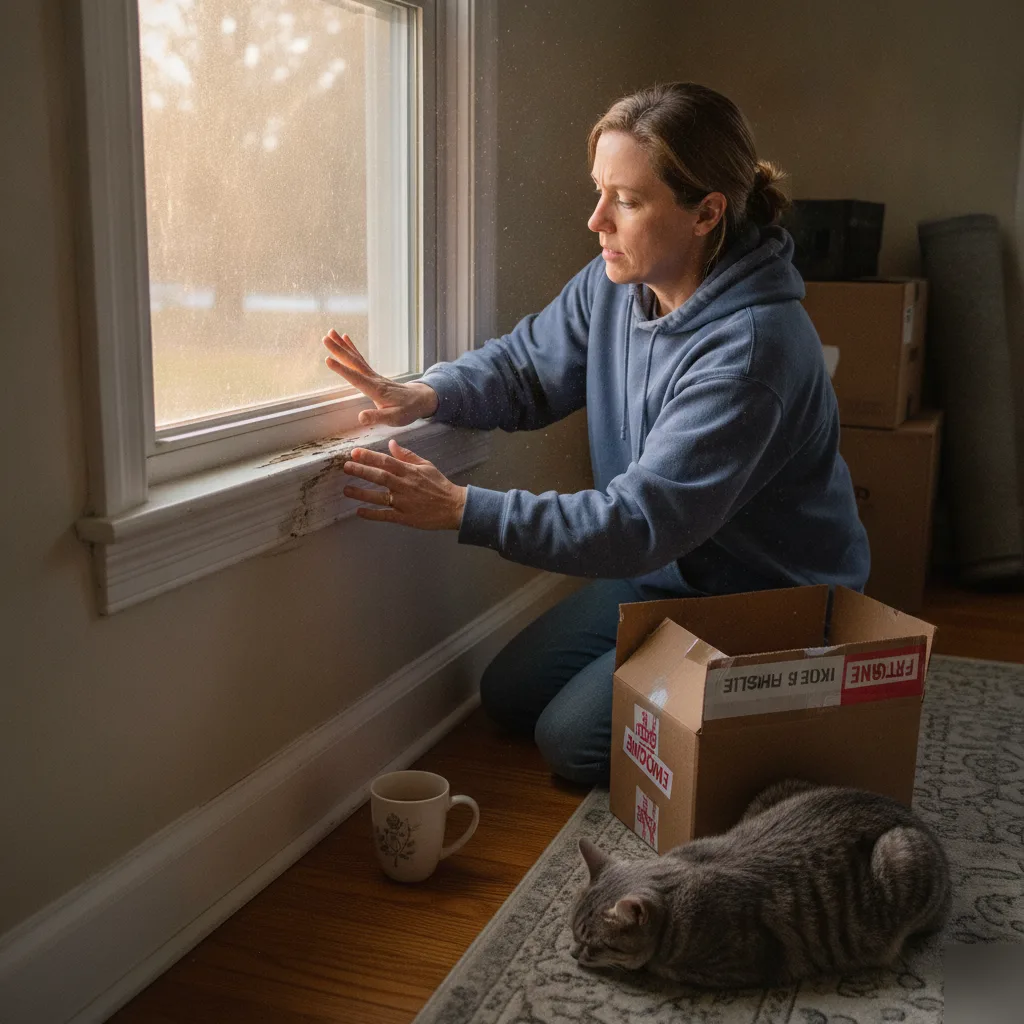
- Skipping a sill pan, which lets any water that gets past the window drain straight into the wall instead of back outside.
- Using canned spray foam that expands too much and bows the frame inward, making the window hard to open.
- Nailing through the frame in the wrong spots, which warps it just enough to break the seal.
- Leaving gaps at the corners of the flashing tape, the exact spot where wind-driven rain likes to find a way in.
- Reusing old shims that are cracked or uneven instead of cutting new ones to fit.
Here's a real one from the field: a customer near Windridge called about condensation between the panes on a window installed less than two years earlier. Turned out the installer never sealed the interior air barrier, so warm house air kept meeting cold glass. That's not a bad window, that's a bad install.
Insulation gets missed a lot too. Builders sometimes leave gaps around the frame instead of packing it with low-expansion foam or fiberglass. Those gaps let cold air pour in during a Hendricks County winter, and your energy bill feels it long before you ever see a drop of water.
So what's the fix? Slow down and check the details most people never think to ask about.
The good news, none of this is complicated for someone who does it every day. It just takes attention to steps that don't show up in a quick walk-through.
Signs Your Windows May Have Been Installed Incorrectly
Most homeowners don't realize their window install went wrong until something starts acting up. Maybe it's a draft you can feel standing near the glass. Maybe it's a window that won't latch right anymore. We see this all the time in Brownsburg homes, especially ones with additions or replacement windows put in during a quick weekend job. The window itself might be perfectly good, the problem is almost always what happened around it during install.
Your home tells you when something's off, you just have to know what to look for.
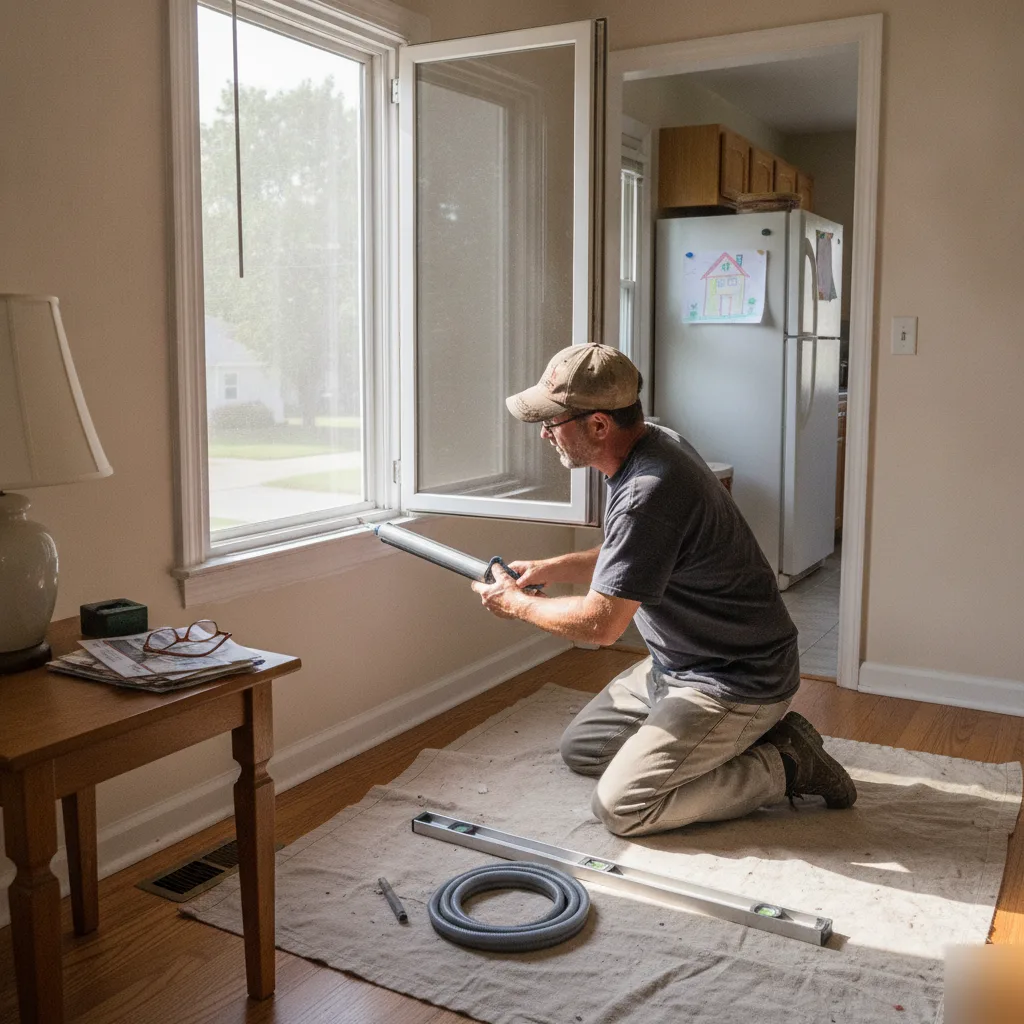
- Air movement near the frame even with the window fully closed and locked.
- Visible gaps between the window frame and the wall, sometimes covered by trim only.
- Condensation forming between panes or pooling on the sill during Indiana's cold snaps.
- Windows that stick, drag, or won't lock flush without extra force.
- Soft or discolored drywall below the window, a sign moisture has been getting in for a while.
Any one of these on its own might not mean much. But when you notice two or three at once, that's usually a sign the flashing, shimming, or sealant wasn't done right the first time. And some of these problems take years to show up. A window installed without proper flashing can look fine for two or three winters before water finally finds its way behind the siding.
One thing worth checking, even though most people skip it: go outside and look at the caulk line around each window. Cracked, missing, or overly thick caulk is often a cover-up for gaps that should have been sealed with flashing tape instead. We've opened up trim on Brownsburg homes where the caulk was doing a job it was never meant to do.
Field Note
During inspections, one quick test is holding a lit incense stick near the window frame on a windy day. If the smoke bends sideways instead of rising straight, air is getting through somewhere it shouldn't.
So what do you do if you spot one of these signs? Don't wait for it to get worse. Small gaps turn into bigger repairs, and moisture problems compound fast once wood framing gets involved. Catching problems early also helps you steer clear of the most expensive home-remodeling mistakes down the line.
Frequently Asked Questions
How do I know if I need a professional to check my window installation, or if it's just normal wear?
Call a professional if you notice drafts, sticking sashes, or condensation between panes, since these often point to installation issues rather than normal aging. A window that's simply old will fade or get harder to clean, but one with a bad seal or missing flashing will show air leaks and moisture problems within a year or two. If you're unsure, a quick inspection can catch a flashing gap before it turns into rotted framing. You can learn more about what a proper install looks like on our window installation page.
What's the biggest misconception homeowners have about window installation mistakes?
The biggest misconception is that a window looking good on install day means it was installed correctly. Flashing gaps, missing sill pans, and bad shimming don't show up right away. They hide behind trim and siding for months while moisture quietly works into the wall. By the time you see fogging or soft drywall, the damage has already started. A clean, freshly caulked look tells you nothing about what's happening inside the wall cavity.
How does Brownsburg's weather make window installation mistakes worse?
Brownsburg's freeze-thaw winters and humid summers turn small installation gaps into big problems fast. A tiny flashing gap that might sit unnoticed in a mild climate becomes a real leak once Indiana's cold snaps and thaw cycles start pushing water through it. Homes near Arbuckle Acres Park and other older Brownsburg neighborhoods see this often, especially where flashing wasn't done right decades ago. That freeze-thaw stress is exactly why slow leaks turn into swollen framing and mold within a couple of seasons.
What are the early signs that my windows weren't installed correctly?
Early signs include air movement near the frame, visible gaps under the trim, and windows that stick or won't latch flush anymore. Condensation forming between the panes during cold snaps is another red flag. These signs usually show up before you see any real damage, so catching them early can save you from a bigger repair later. If you notice any of these near a window, especially one installed within the last couple of years, it's worth having someone take a closer look.
Why would a newer window fog up between the panes if it wasn't a bad window to begin with?
Fogging between panes usually means the interior air barrier wasn't sealed, not that the window itself is defective. Warm, humid air from inside your home keeps meeting cold glass, and that moisture has nowhere to go. We've seen this happen in Brownsburg homes near Windridge on windows installed less than two years earlier. It's almost always a sealing mistake made during install, not a problem with the window's glass or hardware.
Does the type of home I have in Brownsburg change how windows should be installed?
Yes, older homes and homes with additions often need extra attention during window installation because of how they were originally framed. Many older Brownsburg houses near Green Street were built before modern flashing standards, so re-installers sometimes skip steps that newer homes need less of. Additions can also have framing that's slightly out of square, which makes proper shimming even more important. Knowing your home's age and history helps avoid the mistakes that show up years later.